Tell us about the job
Takes about a minute. No obligation.
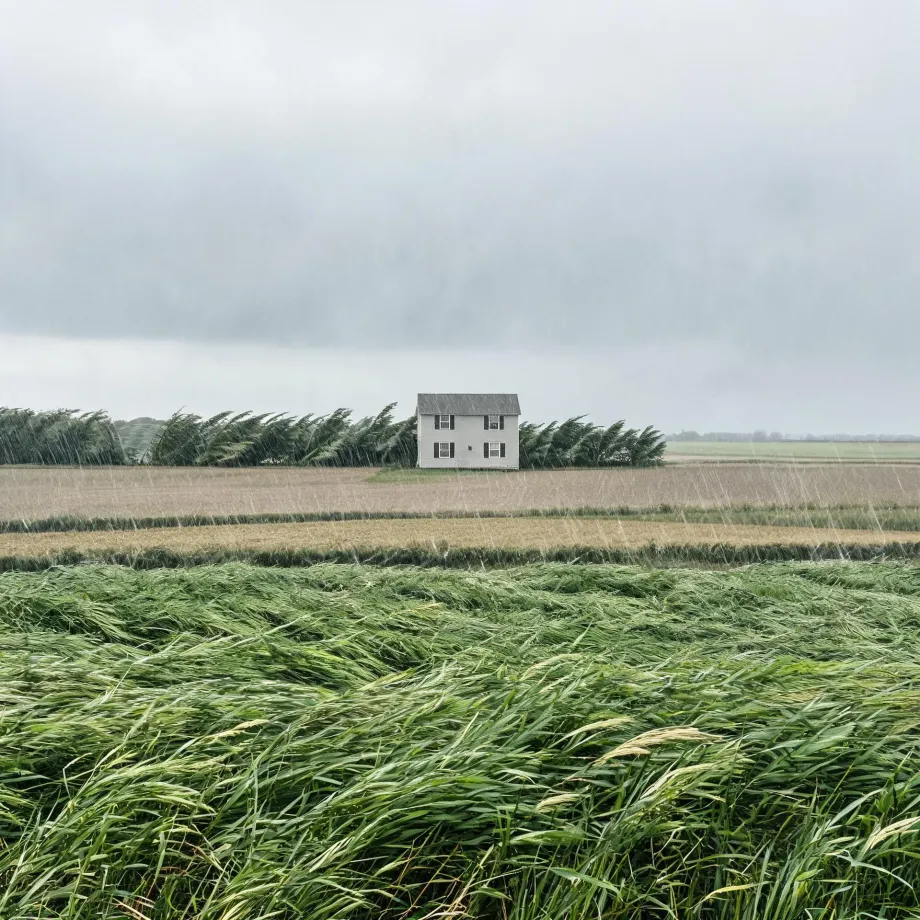
Sizing a central AC system for this part of Minnesota is a local judgment, not a standard lookup. 144 severe weather events were recorded in Fillmore County, Minnesota between 2015 and 2024. At that rate, severe weather is a standing condition for every system running in this county, which means a contractor pricing and installing equipment here has to build for sustained demand rather than for typical summer use. Ductwork connections, refrigerant line routing, and unit placement all get scrutinized harder when the climate puts real and repeated load on the system from the start.
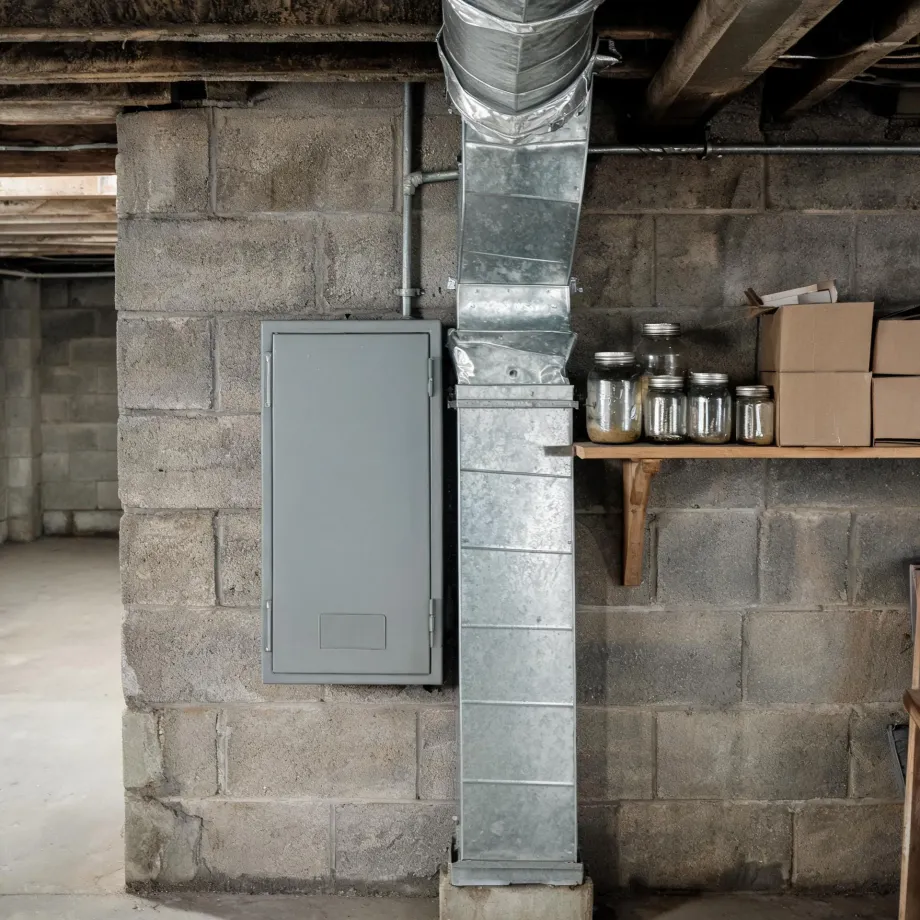
Ductwork laid in for an older system carries assumptions about airflow that a new central AC unit will test. Half the homes in Fillmore County, Minnesota were built in 1966 or earlier (2020-2024 ACS 5-year). That means a contractor sizing and placing equipment here has to assess what the existing duct network will actually deliver before any other decision gets made. Leaks, undersized runs, or routing that made sense for the original system can each force changes that have nothing to do with which unit gets selected. The equipment choice follows that assessment.
What Gets Installed With a New Central AC
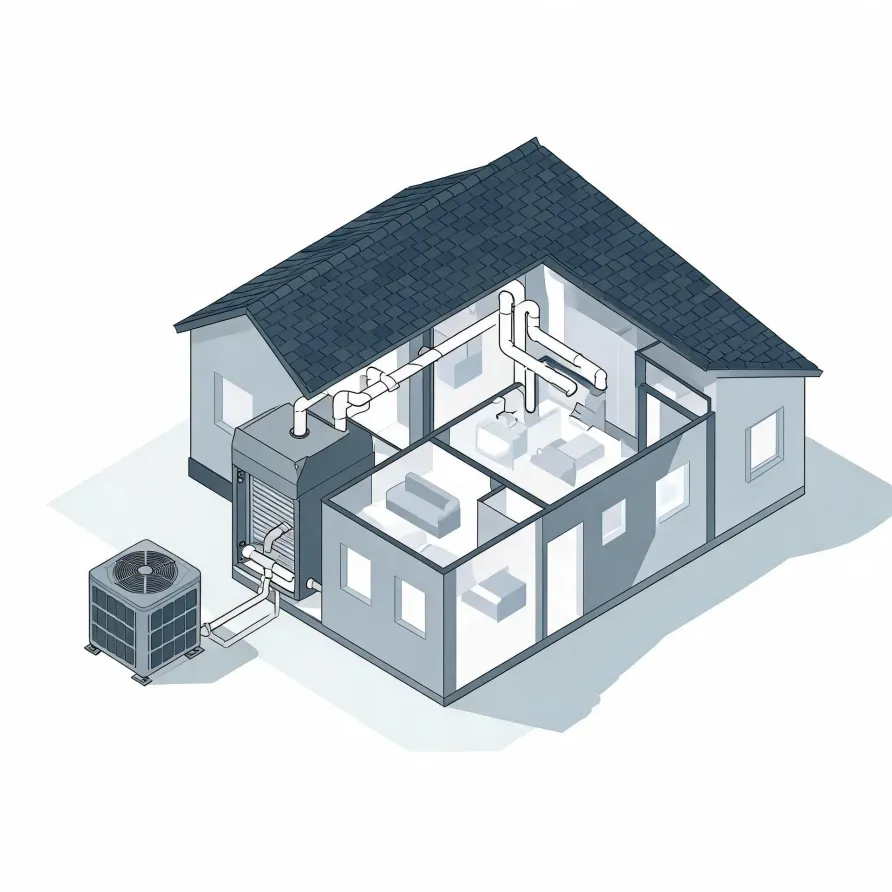
The outdoor condenser unit sits on a concrete pad outside the house and holds the compressor and condenser coil, the mechanical heart of the system. Inside, the air handler or furnace with its evaporator coil mounts in a utility space, basement, or closet and is the piece that conditions the air before it moves through the house.
The thermostat goes on an interior wall where the homeowner sets and reads temperatures, and the refrigerant lines run between the outdoor and indoor units to connect the two. A condensate drain line also runs from the indoor coil to carry away the moisture the system pulls from the air.
The drawing shows a standard layout, and a licensed contractor determines exactly what fits and where in this particular home.
Find a contractor in Fillmore CountyFillmore County, by the numbers
144 severe weather events were recorded in Fillmore County, Minnesota between 2015 and 2024.
NOAA National Centers for Environmental Information, Storm Events Database, bulk CSV export, events 2015-01-01 through 2024-12-31.Half the homes in Fillmore County, Minnesota were built in 1966 or earlier (2020-2024 ACS 5-year).
U.S. Census Bureau, 2020-2024 American Community Survey 5-Year EstimatesFillmore County, Minnesota holds 9,692 housing units (2020-2024 ACS 5-year).
U.S. Census Bureau, 2020-2024 American Community Survey 5-Year EstimatesOwners occupy 82.6% of the occupied homes in Fillmore County, Minnesota (2020-2024 ACS 5-year).
U.S. Census Bureau, 2020-2024 American Community Survey 5-Year EstimatesRules and Standards Governing Central AC Installation in Fillmore County, Minnesota10 sourced rules and standards
What the installation actually looks like
Split-system central air conditioners rated below 45,000 Btu/h manufactured on or after January 1, 2023 must meet a federal minimum of 13.4 SEER2.
Split-system central air conditioners rated at or above 45,000 Btu/h manufactured on or after January 1, 2023 must meet a federal minimum of 13.4 SEER2.
Split-system central air conditioners manufactured between January 1, 2015 and December 31, 2022 had to meet 13 SEER, the metric that preceded SEER2.
Single-package central air conditioners manufactured on or after January 1, 2023 must meet a federal minimum of 13.4 SEER2.
Space-constrained central air conditioners manufactured on or after January 1, 2023 must meet a federal minimum of 11.7 SEER2.
Federal efficiency standards for split-system central air conditioners and heat pumps are set on each certified combination of outdoor unit and indoor coil rather than on the outdoor unit alone.
Residential and light commercial air conditioning and heat pump systems assembled in the field, including mini-splits and unitary systems, may not be installed on or after January 1, 2025 using a refrigerant with a global warming potential above 700.
A field-assembled system whose specified components were all manufactured or imported before January 1, 2025 carries no installation compliance date under the refrigerant restrictions and may still be installed.
Licensing and Legal Requirements in Fillmore County, Minnesota
Minnesota defines a mechanical contractor as a business that installs, repairs or maintains heating, ventilating, cooling or refrigeration systems — the definition that carries the exemption from the residential contractor licence.
Minnesota's residential contractor licence does not reach HVAC work: the licensing section carries its own exemption list, and a mechanical contractor is exempt from the licence requirement by name.
Severe Weather Events in Fillmore County, Year by Year
Minnesota weather puts real demands on cooling equipment, and those demands are local. Knowing what conditions a system has to handle in Fillmore County is part of choosing and installing equipment that holds up over time.
144 severe weather events, 2015–2024. Source: NOAA National Centers for Environmental Information, Storm Events Database.