
What Minnesota homes are up against.
NOAA National Centers for Environmental Information, Storm Events Database, bulk CSV export, events 2015-01-01 through 2024-12-31. · U.S. Census Bureau, 2020-2024 American Community Survey 5-Year Estimates

What a contractor finds at a specific address often diverges sharply from what a statewide figure suggests. 12,360 severe weather events were recorded in Minnesota between 2015 and 2024. That count spreads across every county in a state large enough that two homes with the same equipment model can sit in meaningfully different working conditions. The statewide record establishes that severe weather is a recurring load here, not an occasional one, which means deferred maintenance and undersized capacity have less margin to hide. A contractor walking a job can read wear patterns, check how hard the unit has been running, and size any replacement against what the address actually demands rather than what the state broadly sees.
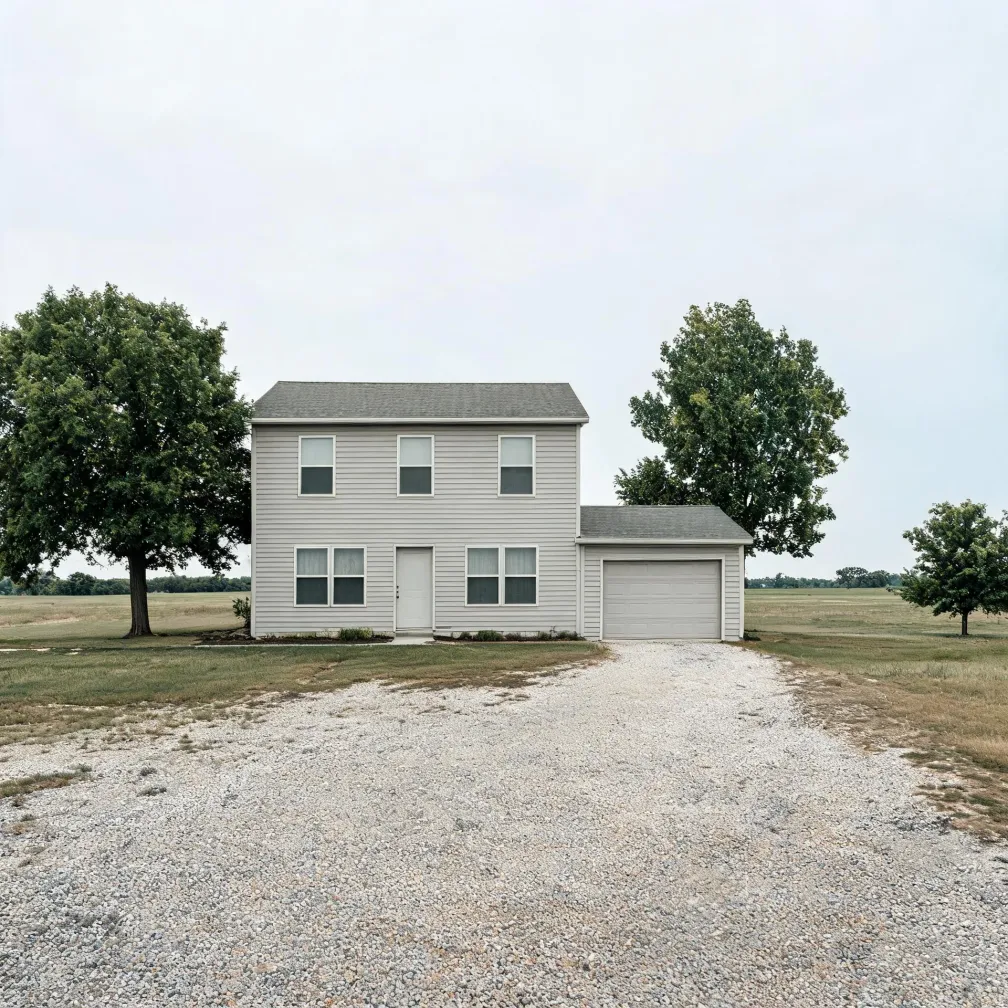
A quote on a new system depends on what is already in the house, and that varies more than most homeowners expect. Half the homes in Minnesota were built in 1979 or earlier (2020-2024 ACS 5-year). Ductwork sized and routed for old equipment frequently cannot carry the airflow a modern unit is designed to move. The electrical service feeding the equipment may have been adequate then and fall short now. A contractor walks the house before committing to a specification, checking what can be reused and what has to change, because neither the ducts nor the panel can be read from the outside.
Does your county put extra stress on HVAC equipment?
2015–2024 · Source: NOAA National Centers for Environmental Information, Storm Events Database.
A condenser sitting outside a Minnesota home faces hail, ice loading, high wind, and temperature swings that can run from deep freeze to summer heat within the same season. Equipment that is sized or positioned without accounting for those forces will work harder and recover more slowly. The licensed contractor you are matched with sizes and places the system around what the site actually demands.
Minnesota HVAC Installation and Repair License Requirements
Minnesota sets its own rules for who can perform HVAC installation and repair work, and this section quotes those rules directly from state sources rather than paraphrasing them.
Minnesota defines a mechanical contractor as a business that installs, repairs or maintains heating, ventilating, cooling or refrigeration systems — the definition that carries the exemption from the residential contractor licence.
A state licensing requirement defines which contractors are legally permitted to do this work in your home. Knowing that matters when you are deciding who to let in the door. The contractors this site routes requests to hold the license these provisions describe, and that filter applies before any request goes anywhere.
See the sourced Minnesota HVAC licensing provisions2 provisions
Minnesota defines a mechanical contractor as a business that installs, repairs or maintains heating, ventilating, cooling or refrigeration systems — the definition that carries the exemption from the residential contractor licence.
Minnesota's residential contractor licence does not reach HVAC work: the licensing section carries its own exemption list, and a mechanical contractor is exempt from the licence requirement by name.