Running clean
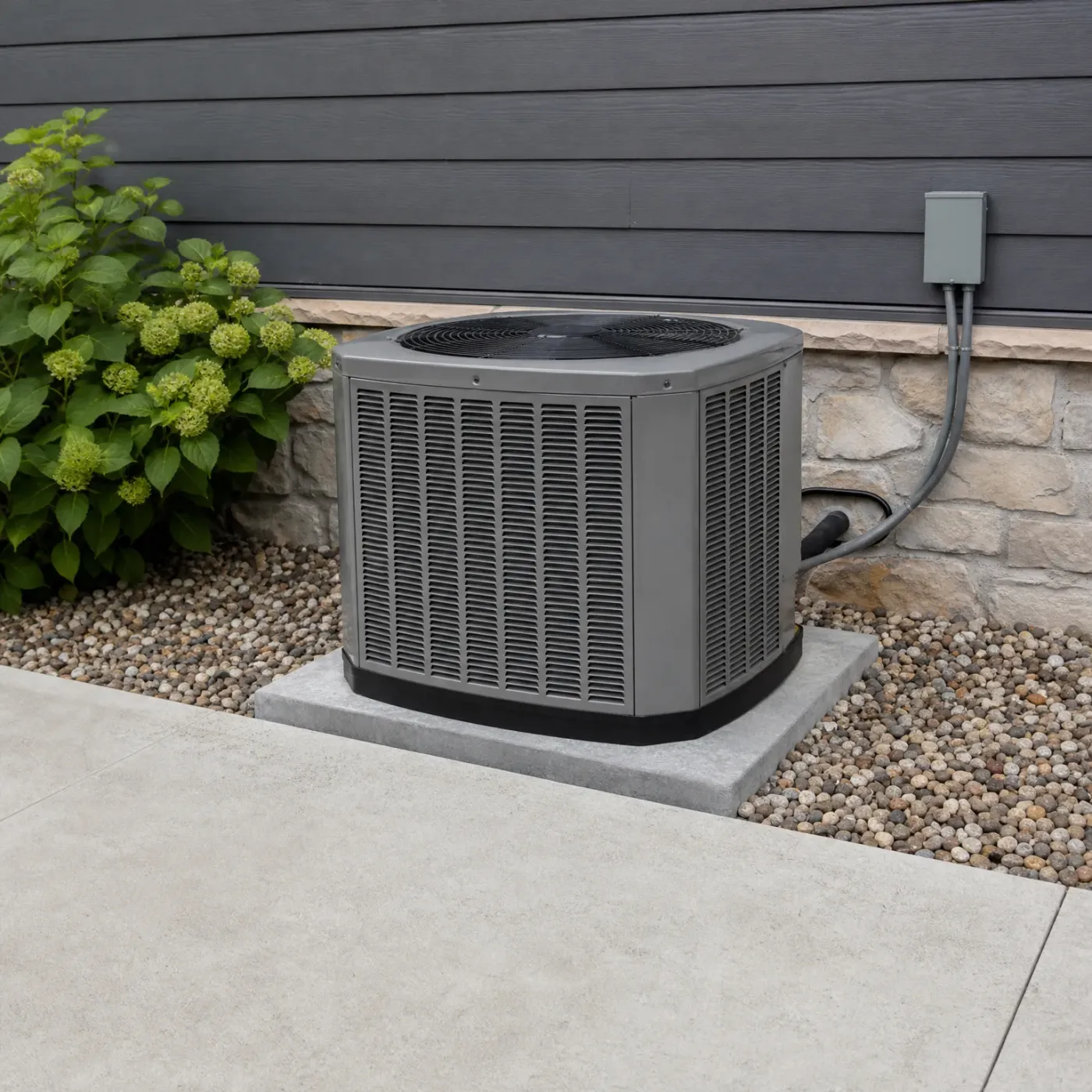
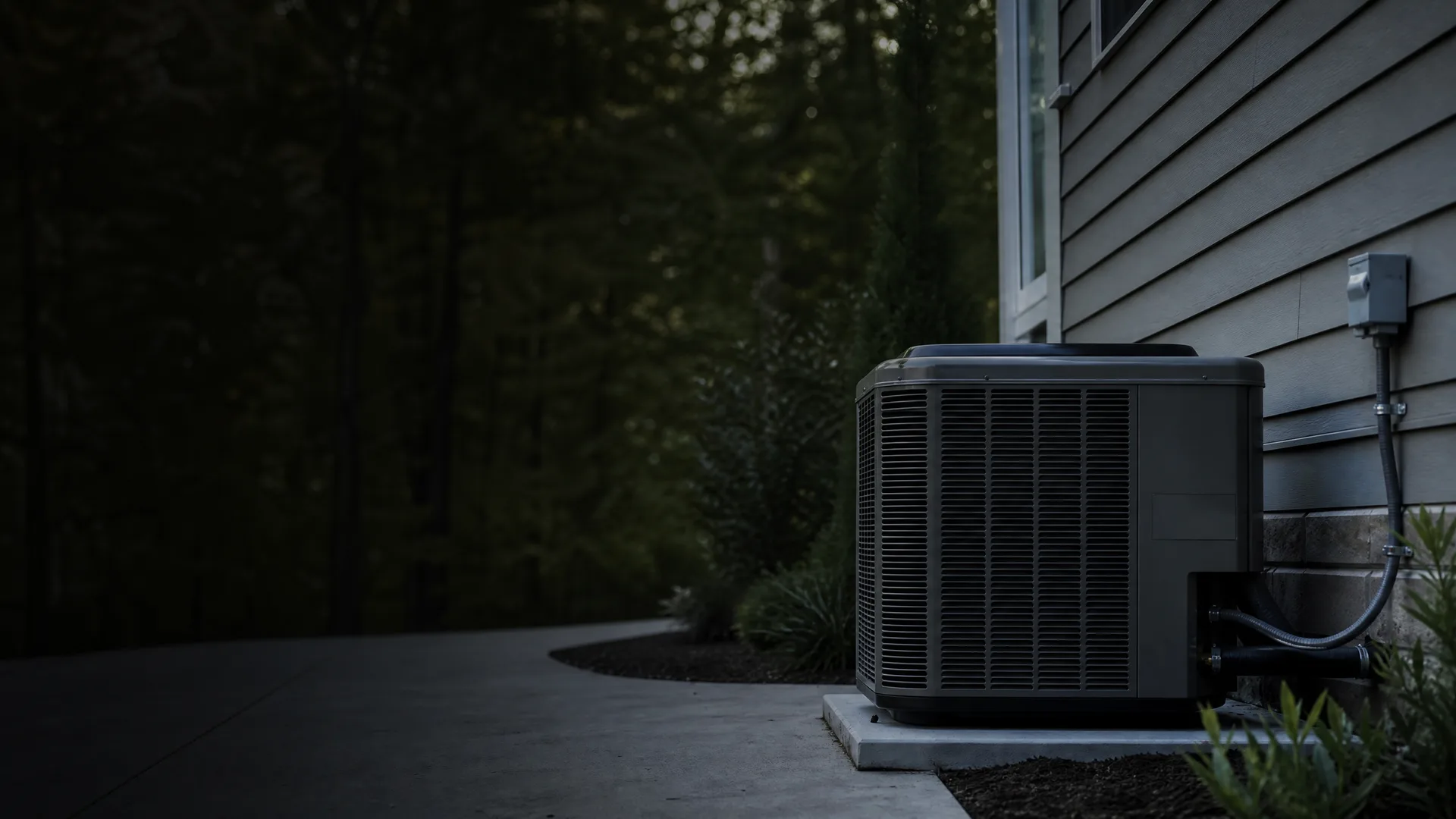
This is what a condenser looks like when it's keeping up. Nothing blocking the coil, nothing crowding the cabinet, just steady airflow in and out all summer. A two-stage unit spends most of its time exactly like this, humming on low.
 Find my pro
A local installer who puts in air conditioners gets your project.
A two-stage air conditioner runs on low most of the time and only kicks up to full output on the hottest afternoons. In Minnesota, where summer brings warm days but not the thick, heavy air you get further south, that low stage covers a lot more of the season than you'd think. The question is whether the difference shows up in comfort and on your power bill enough to matter, and that depends on your house, your ductwork, and what you're replacing.
That's not something a page can answer for you. A single-stage unit sized right can still run efficiently here. A two-stage unit paired with ductwork that can't handle the longer, lower airflow won't deliver what it promises. The right call depends on specifics: your home's layout, what's already in your attic or basement, and what a contractor sees when they actually look at your system.
Getting that answer usually means calling a few HVAC companies, explaining your house and your current setup to each one, waiting on quotes, and then trying to compare bids that were put together differently and don't quite line up. That part is work, and it eats time most homeowners don't have spare in July.
This page skips that step. Answer a few questions about your home and your AC, and a contractor who installs in your area will reach out to you directly, already knowing what you're working with. No cold calls to make, no repeating your situation to the next person on the list. You decide if two-stage makes sense for your house once someone's actually looked at it, not before.
Minnesota summers are warm but the air isn't heavy like it is further south, so you're not running the AC hard for months on end the way someone in a humid climate would. You've probably seen two-stage units cost more upfront and are trying to figure out if that extra cost actually pays off here, or if it's built for a climate you don't have.
A two-stage AC spends most of its time on low output, since Minnesota summers rarely demand full capacity for long stretches. That low stage uses less power and runs longer and quieter than a single-stage unit cycling on and off. It also pulls more moisture out of the air during those low-speed runs, which matters on the muggier days even if the air here isn't heavy most of the summer. The tradeoff is the higher cost of the equipment itself. If you plan to stay in the house for years, the lower power use and steadier comfort tend to be worth that cost. If you're moving soon, a single-stage unit does the job for less.
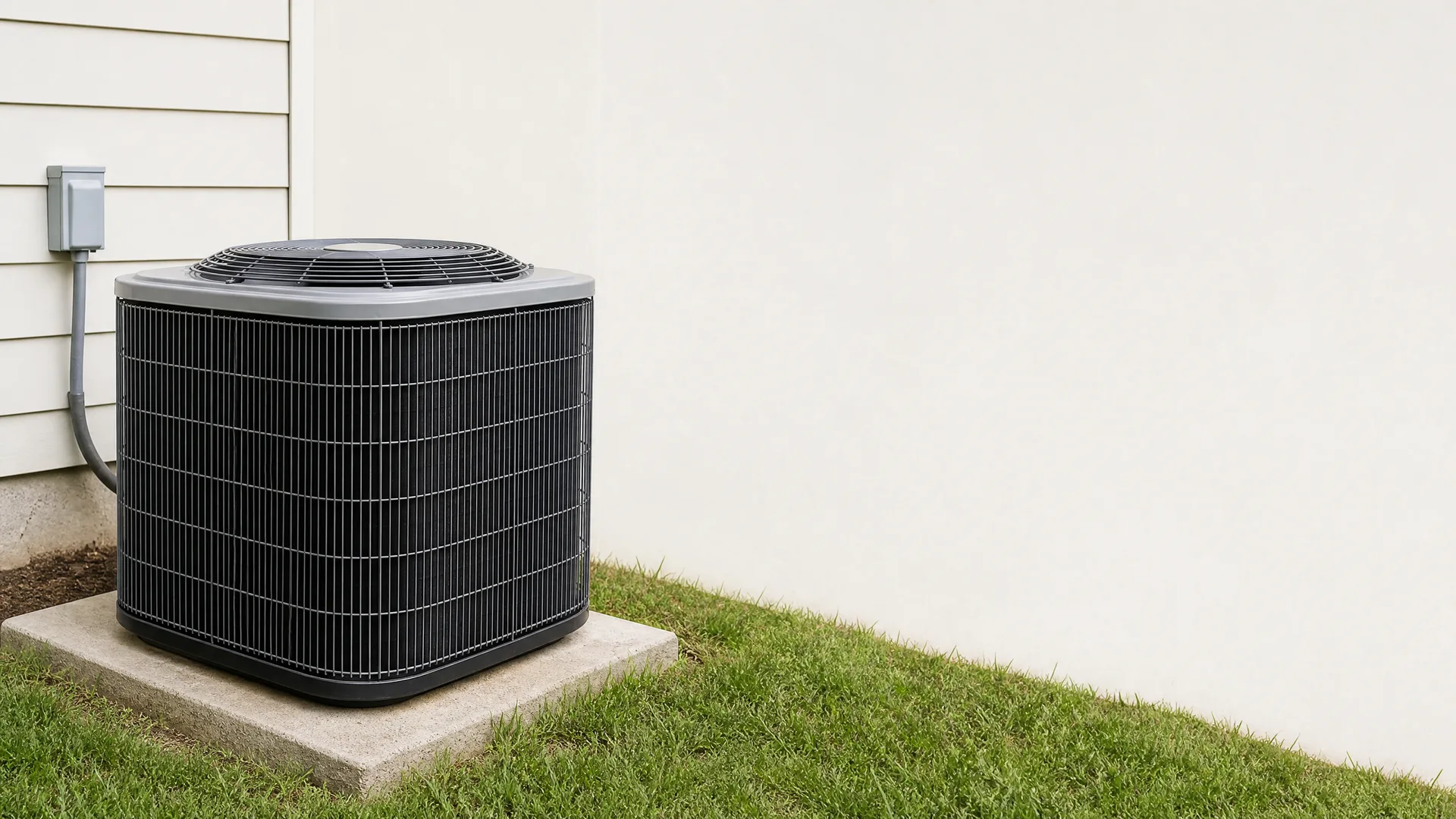
A two-stage compressor running on low moves less refrigerant and pulls less power than it does at full output. On a 75 degree day, low stage can carry the whole house by itself, cycling on and staying on for a long, steady stretch instead of blasting cold air and shutting off. That longer runtime at low speed is what pulls more moisture out of the air than a single-stage unit does, even though Minnesota air is milder than what homes further south deal with.
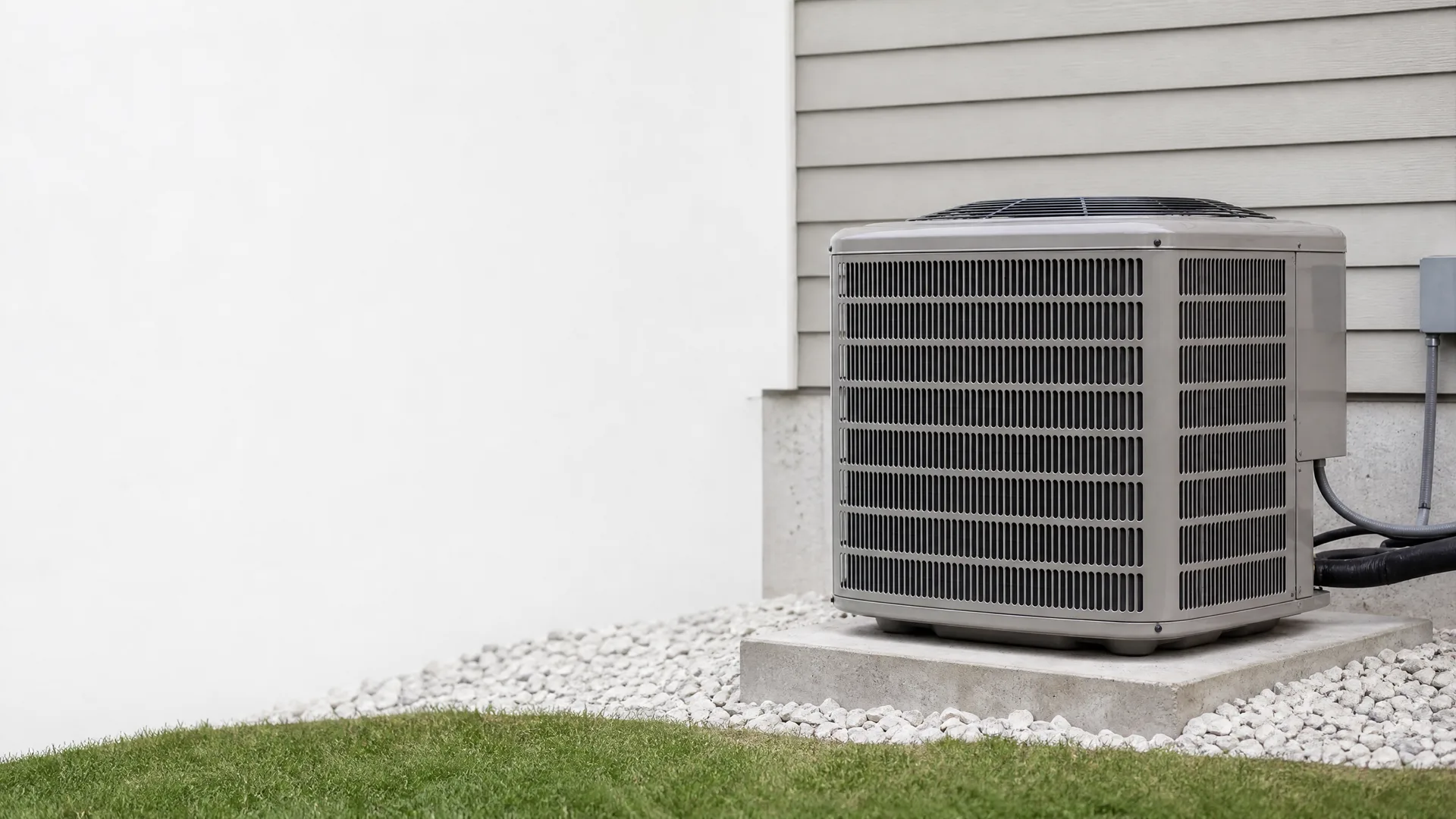
Full output kicks in on the handful of afternoons each summer that push into the upper 80s or 90s, or when the thermostat is recovering from a setback. The system's control board reads the indoor temperature against the set point and decides which stage to run. You won't notice the switch happen. What you'd notice, over a July like last year's, is a system that spends most of its time working at low stage rather than cycling on and off at full blast.
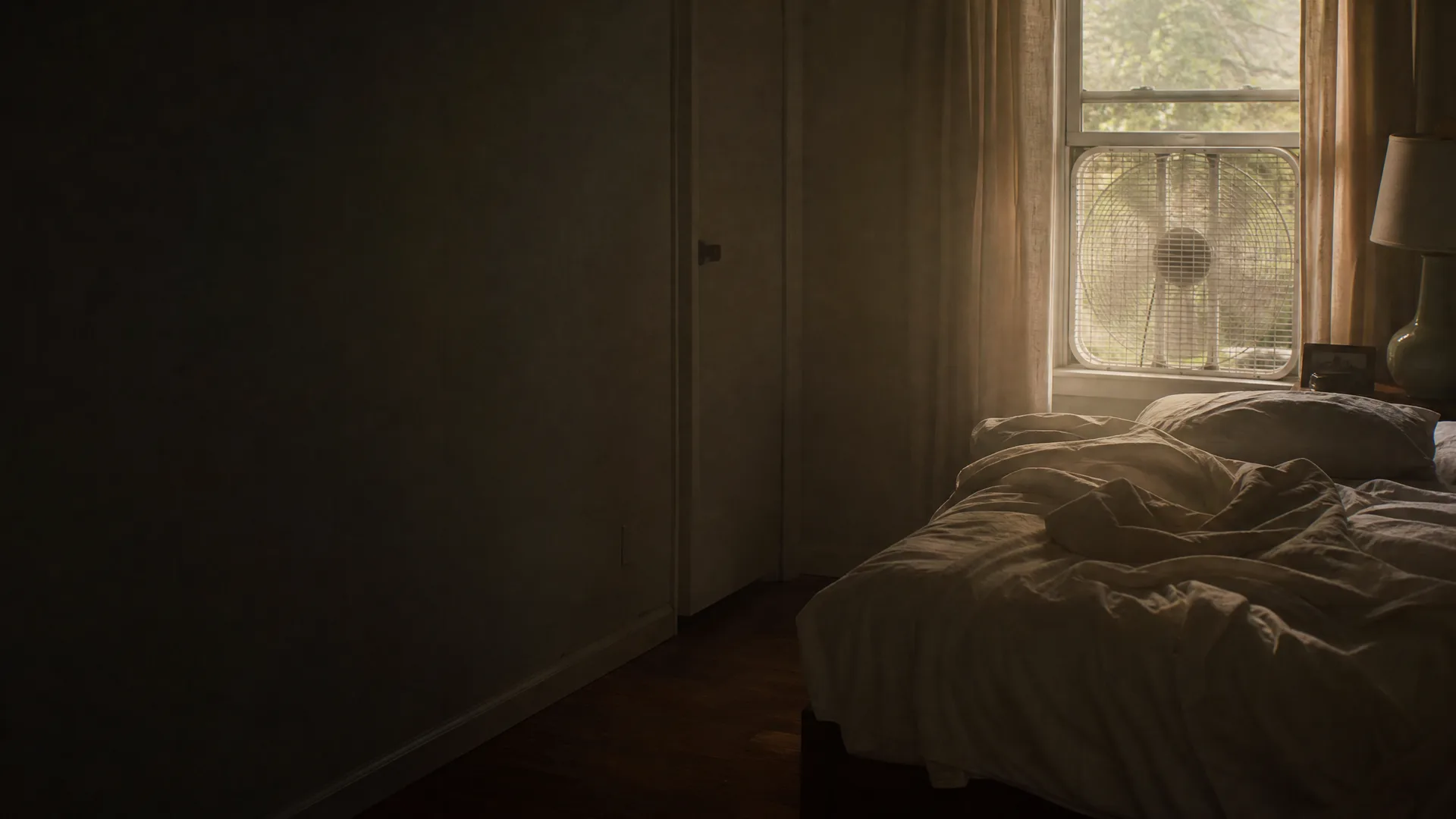
The box fan in the window is losing. It's past eight and still warm, the sky over the yard gone that late dusk blue, and the upstairs bedroom hasn't let go of the day's heat. You're on top of the sheets. The fan pulls at the screen and pushes around the same warm air it pulled in, and somewhere downstairs the old single-stage unit is either roaring at full blast or sitting off entirely, with nothing in between. You keep waiting for the room to catch up. A two-stage system would have been running low and steady since noon, holding this room a few degrees cooler than the air coming through that screen.
You already know the case for a two-stage system in a Minnesota summer, the steadier temperatures, the lower power draw on the mild days that make up most of the season. Deciding it's worth it is one thing. Getting it installed right is another. That means finding a contractor who sizes the unit correctly for your house, pulls the right permits, and sets up the staging so low stage actually does the work it's supposed to do. Left on your own, that's a string of calls, the same explanation repeated to each one, and quotes that are hard to compare because no two contractors price or spec the job the same way. Handing that off means you stop doing the legwork and start dealing with one contractor who already knows what you're trying to install and why. Your part was deciding a two-stage AC makes sense for your house. The rest, finding who installs it well, doesn't have to be yours too.
This is what a condenser looks like when it's keeping up. Nothing blocking the coil, nothing crowding the cabinet, just steady airflow in and out all summer. A two-stage unit spends most of its time exactly like this, humming on low.
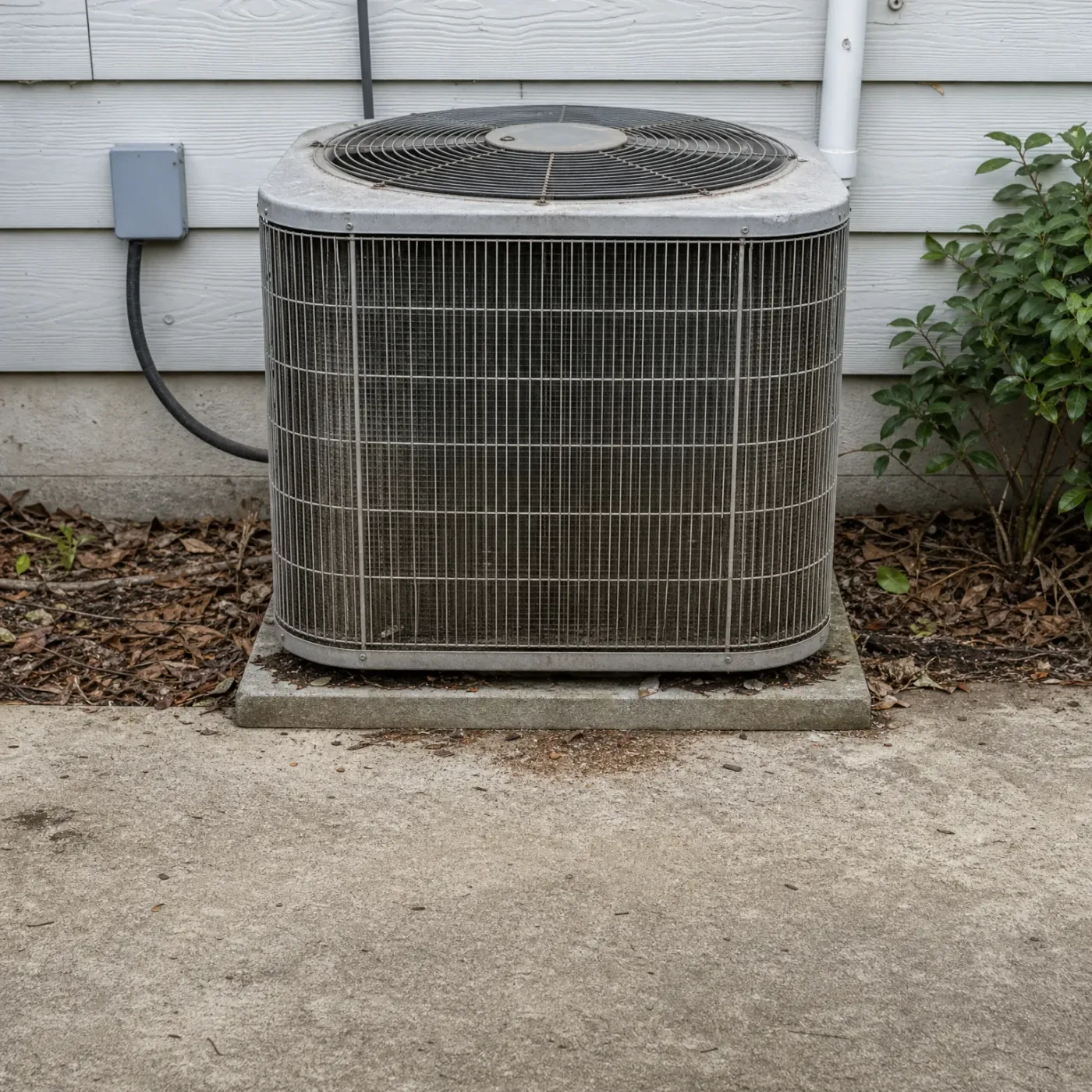
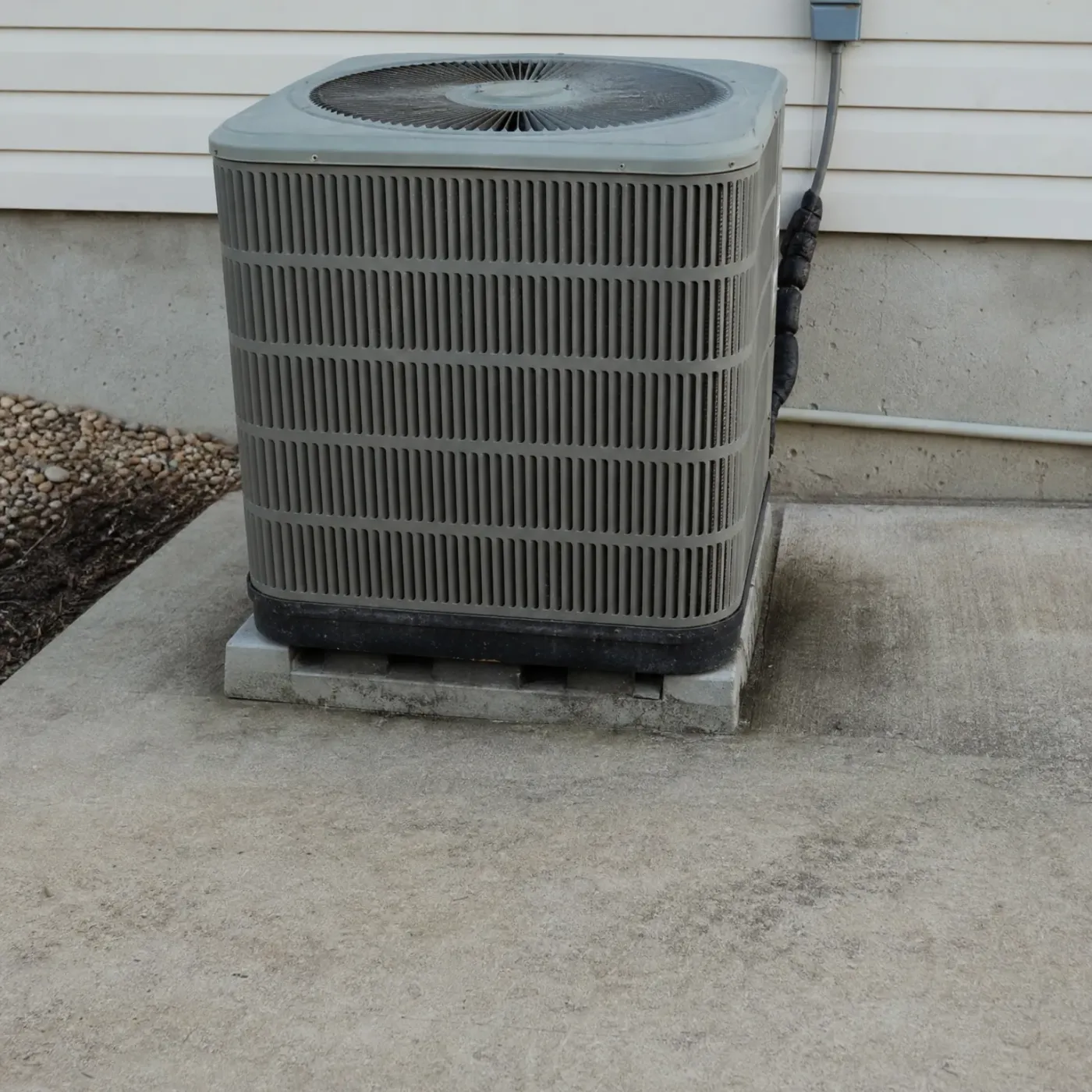
Grime on the coil grilles makes any condenser work harder to move the same heat, single-stage or two-stage. A unit choked like this loses the advantage of a low stage, because it's no longer pulling in enough air to run light.
Walk through your house on a warm afternoon and some rooms feel fine while others are stuffy. The thermostat says it hit the set point, but the air coming out of the vents doesn't feel steady, it blasts hard then cuts off, over and over. You might notice the outdoor unit kicking on and off every few minutes instead of running a long, even stretch. That short-cycling wears on the compressor over time and tends to leave upstairs rooms warmer than the thermostat's room. If you've also noticed the power bill jumping on the handful of truly hot days each summer, that's the single-stage system working at full output with no lower gear to drop into.
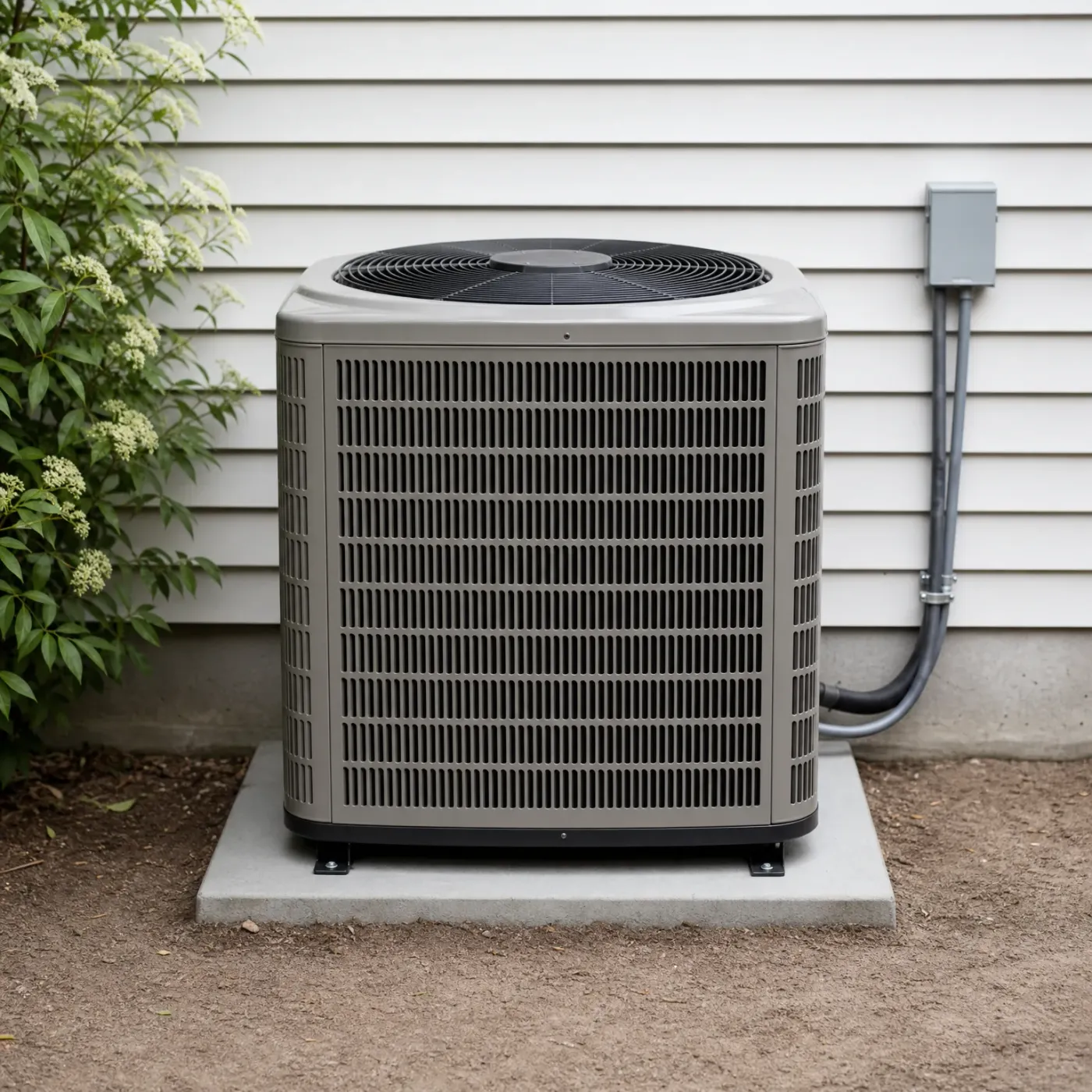
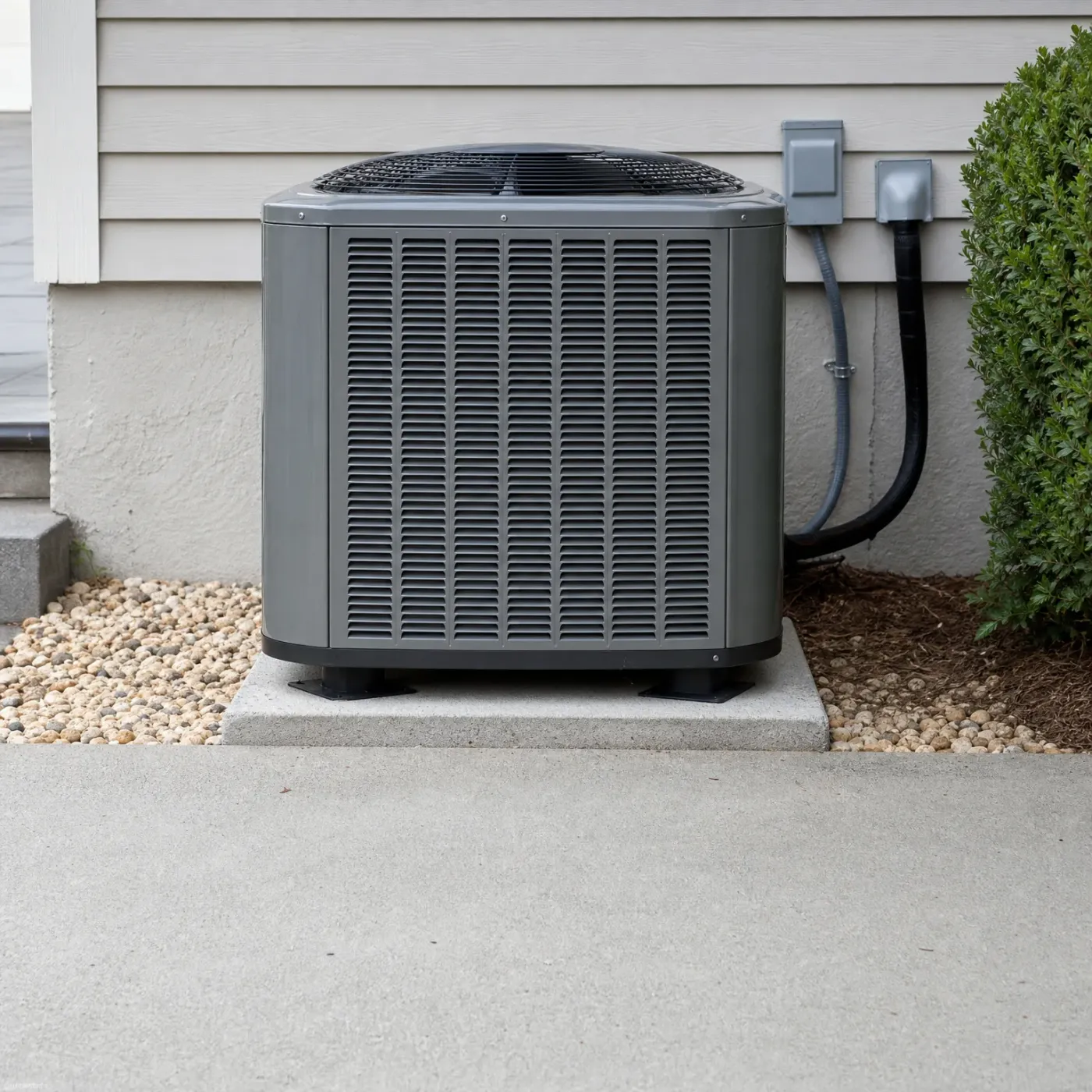
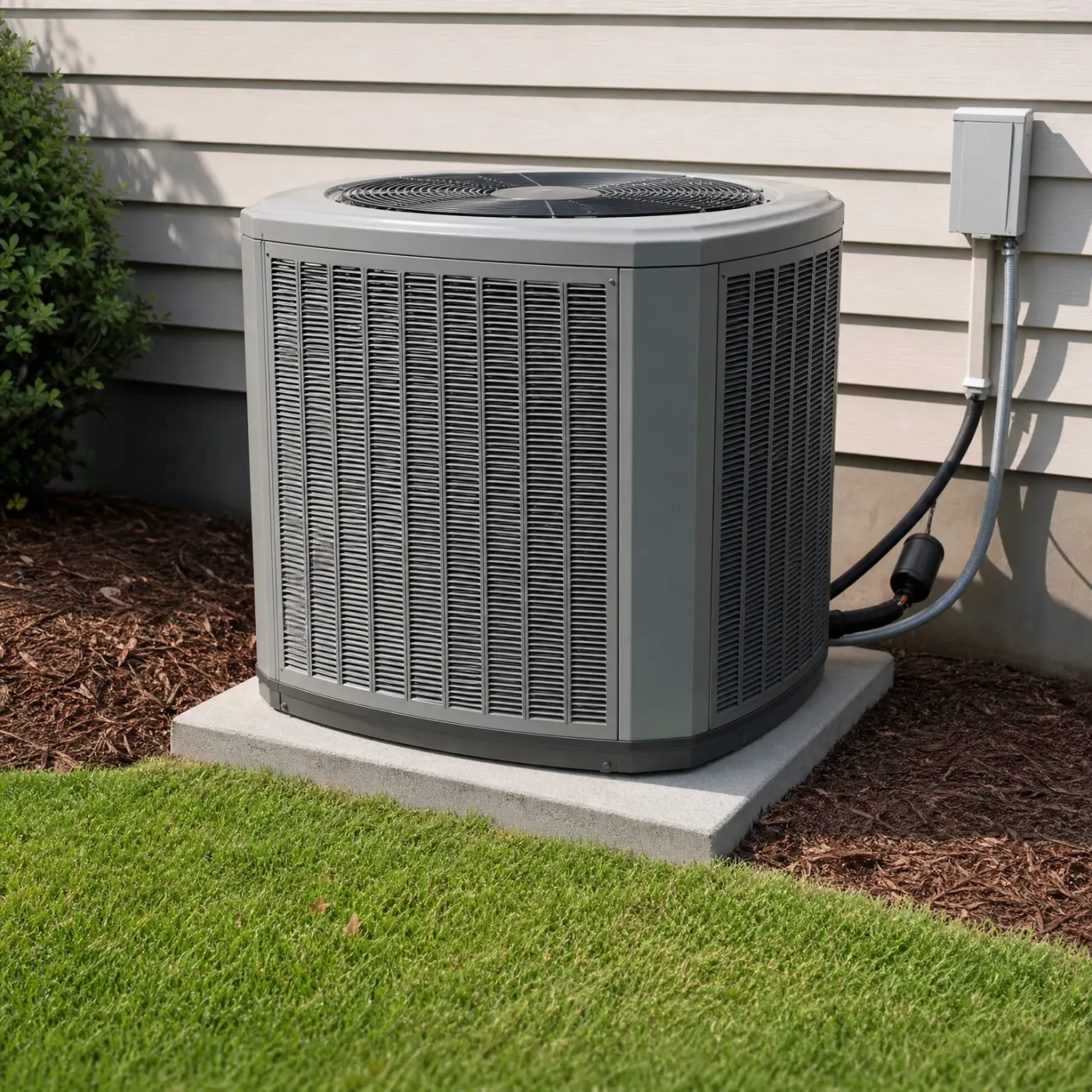
The pad is clear, the shrub beside it hasn't been crowded, and the conduit running down to the disconnect is the only thing touching the cabinet. A two-stage condenser doing its job looks exactly like this most of the summer, just quietly running on low.
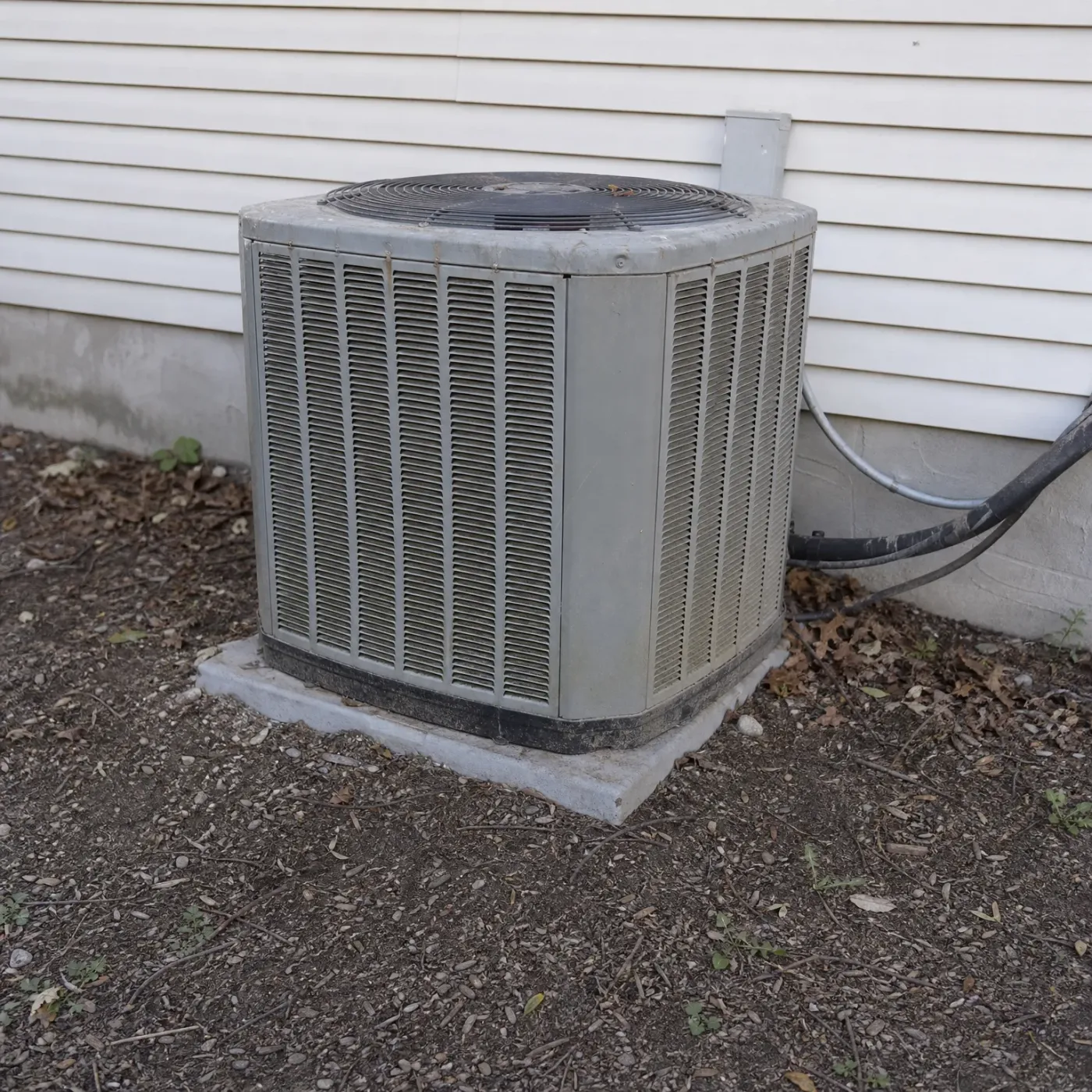
Leaves and dirt have built up around the base, and the cabinet shows the weathering years outside bring. A single-stage unit running flat out every time it cycles on wears like this faster, especially on an old compressor already working harder than it should.




A single-stage AC only runs full blast or not at all. On a 75 degree day it still fires at full output, cools the house fast, then shuts off completely until the temperature climbs again.
That on-off cycling is what leaves rooms uneven and the compressor working in short, hard bursts. A two-stage system spends most of a Minnesota summer on low instead, running longer and steadier for the same result.
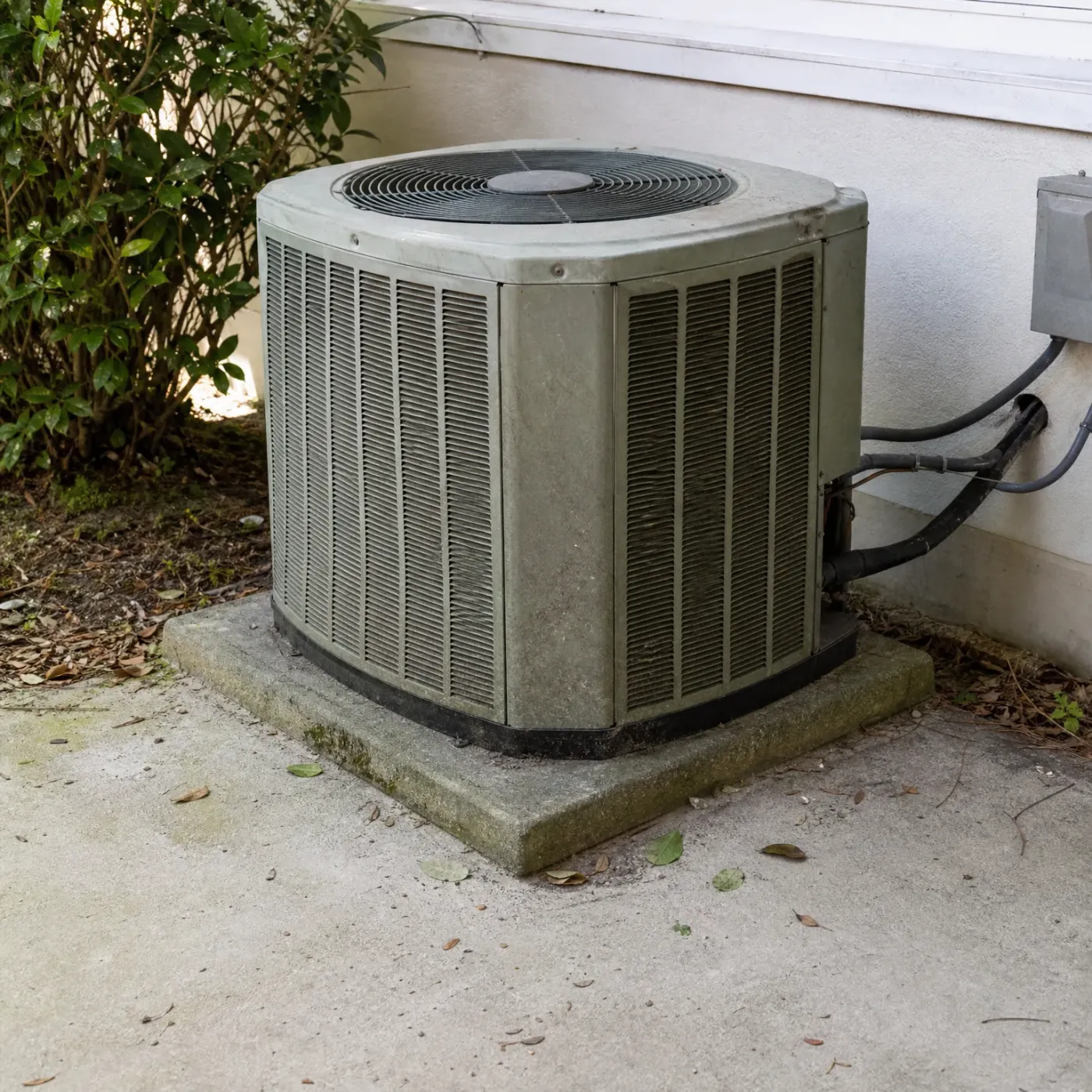
A National Weather Service summer average puts the dew point across Minnesota at 59°F for June, July and August. That's the mild side of humid, the air feels warm but not sticky, and it changes what your air conditioner spends its time doing. Most of a Minnesota summer doesn't ask the compressor to pull moisture out of thick air for hours at a stretch. It asks for steady, modest cooling on a lot of 75 and 80 degree days. That's the kind of stretch low stage is built for, running long and even instead of slamming on and off. You'd notice it as a house that holds its temperature room to room, not as a unit straining to keep up.
NASA POWER T2MDEW county cells weighted by homes


At 15.83 cents a kilowatt-hour, what you pay comes down to how hard the compressor works, not just how long it runs. A two-stage unit spends most of a Minnesota summer loafing on low, pulling less power per hour than a single-stage system firing at full output on those same mild days.
EIA-861 2025 statewide residential average
A two-stage air conditioner suits a Minnesota summer because it spends most of its time on low, where it belongs, and saves full output for the few days that actually need it. That's the whole answer. Where you land on whether it's worth it for your house depends on what's running now and what your house does on a warm afternoon, the uneven rooms, the short cycling, the unit working harder than it should on a 75 degree day. Getting there means finding a contractor, explaining your situation, waiting on callbacks, and sorting through quotes that are hard to compare against each other. Converting on this page skips that part. You get matched with a contractor who installs these systems and who reaches out to you directly, so the only thing left to figure out is what's right for your house, not who to call first.
Skip the round of in-home estimates for a new air conditioner.