Where your system stands now
- R-410A still works fine in the unit you have, and a leak gets repaired, not replaced, if the system is otherwise sound.
- New central air units sold today run on R-454B or a similar refrigerant because R-410A is no longer allowed in new equipment.
- R-454B needs a compressor, metering device, and handling training that differ from R-410A, so the two systems are never mixed.
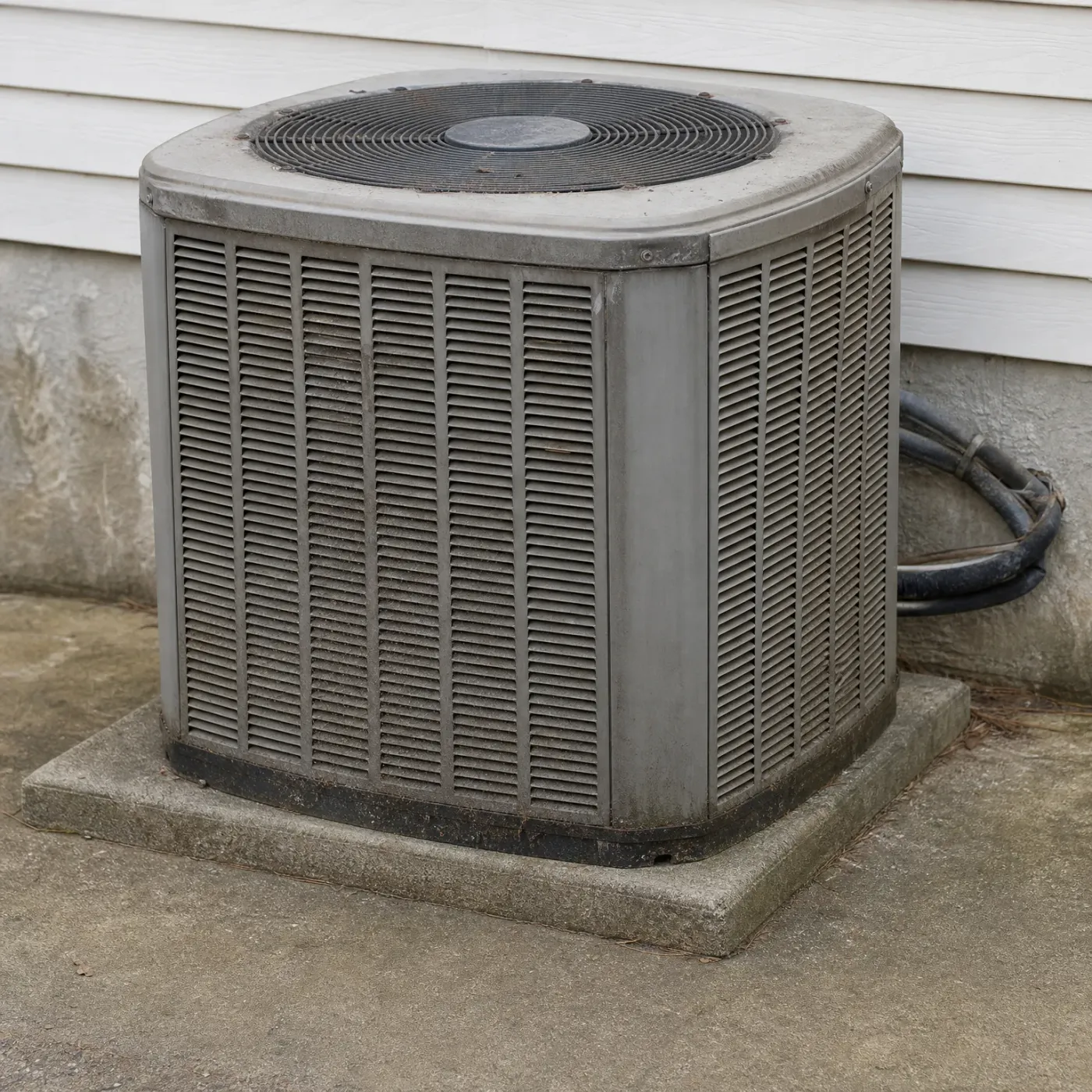
- A cracked coil, a compressor that won't start, or a cabinet rusted through are signs it's time to replace rather than repair.
- Minnesota's electric rate makes a weak or straining system cost more here than the same problem would in a cheaper-power state.
- A local installer who works on R-454B systems every season knows the training and equipment the job calls for.
If your air conditioner is running fine, nothing about the refrigerant change requires you to do anything. R-410A is still made, still legal to use, and still the right choice for servicing a system that already runs on it. The phase-out only touches what's built new, which is why anything you buy today comes with R-454B or a similar refrigerant instead. That matters once your condenser needs more than a recharge. A cracked coil, a compressor that hums without starting, or a cabinet rusted through the metal are the signs a contractor looks for when deciding whether repair still makes sense. Past that point, you're not choosing between refrigerants. You're buying a new system built around one, with a compressor, metering device, and a line set rated for it. R-454B's mild flammability means the installer handling it needs training and equipment suited to that refrigerant specifically, not just experience from years of R-410A work. In Minnesota, with power running close to 16 cents a kilowatt-hour, the cost of putting that decision off shows up on the electric bill before it shows up anywhere else, since a straining compressor pulls more power to do the same job. Whether your system needs a simple repair or a full replacement, the equipment and the refrigerant inside it are no longer separate questions. Finding a contractor who already works with both, on systems like yours, in homes like yours, is what makes the rest of this straightforward.