Running nonstop, cooling less
Right now the unit cycles all day without catching up, so the house stays a few degrees warmer than the thermostat says, especially upstairs.

Your AC loses the fight on hot Minnesota days because it was sized for a typical July afternoon, not for a run of 90-degree days back to back. When the heat sits for days without a break, the unit runs almost nonstop trying to catch up, and if it's already weak, a low refrigerant charge, a dirty condenser coil, or a capacitor that's starting to fail, it never gets ahead. The system keeps running but stops pulling enough heat out of the house. A unit that cools fine on an 85-degree day can fall behind once it's 95, because the harder it has to work, the less room there is for anything to be off. That's usually the real story: not a total breakdown, but a system running flat out with less capacity than it had a year ago, and a stretch of real heat is what finally shows it.
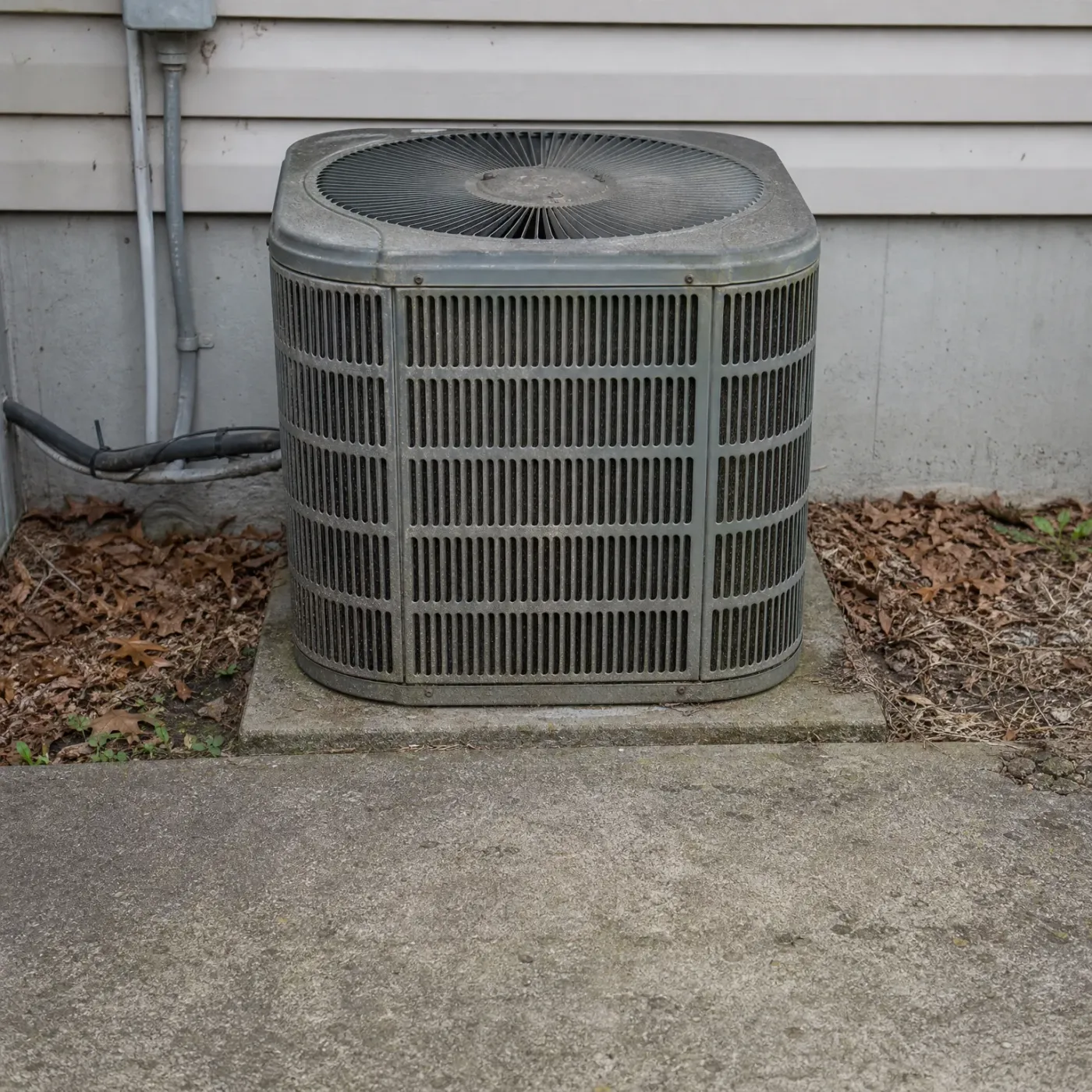
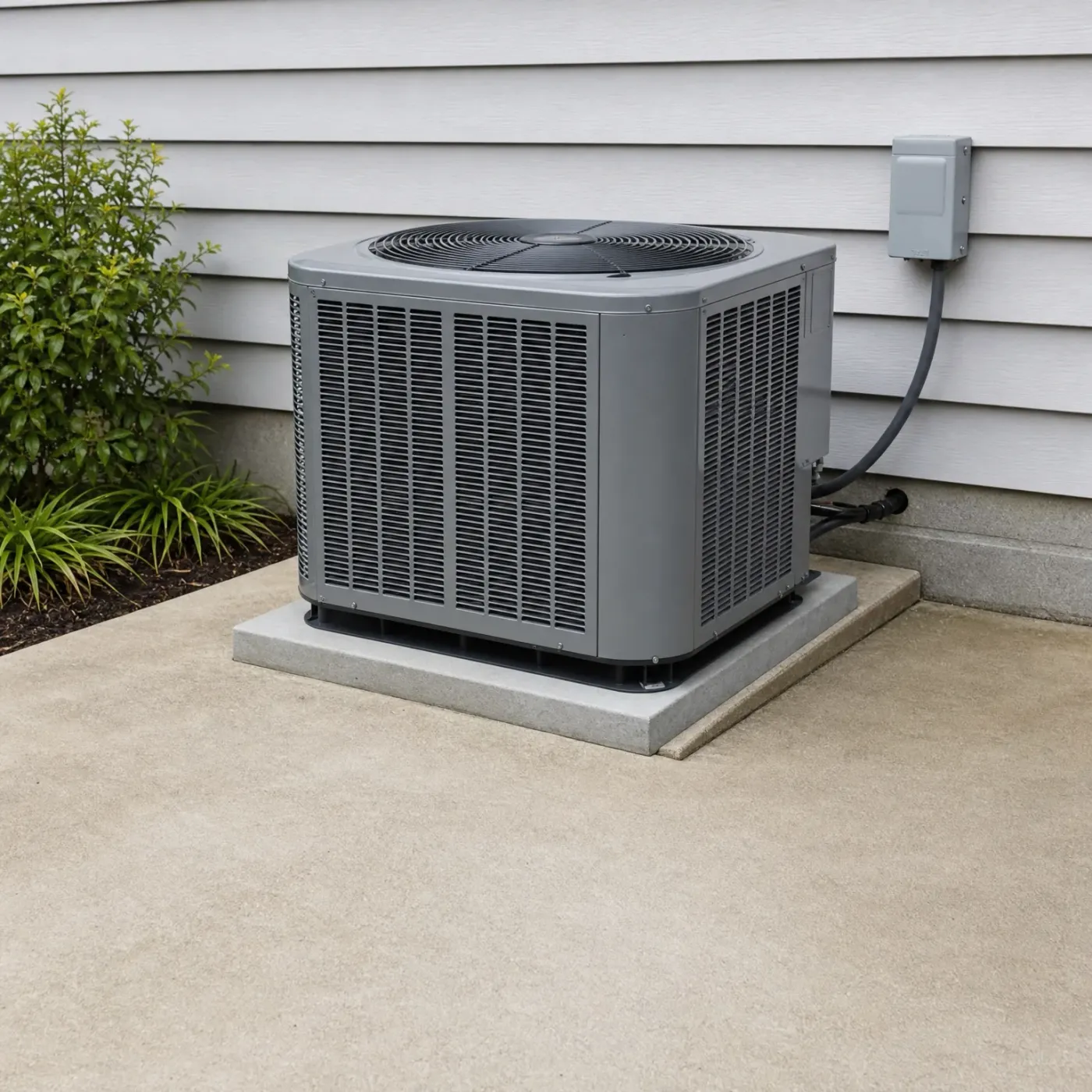
An air conditioner is built to run, cool the house down, and shut off for a while before it starts again. On a string of 90-degree days, that rest barely happens. The compressor stays under load for hours at a stretch, the coil stays cold and wet longer than it's designed for, and anything already marginal, a weak capacitor, a low charge, a coil losing its grip on dirt and dust, gets pushed past where it can keep up. That's why problems that were minor in June show up as a system that can't hold the house at the point of the summer when you need it most.
Watch the gap between the number on the thermostat and the temperature you actually want, and you'll see it widen as the outside heat holds steady rather than breaking overnight the way it usually does here. A system working correctly in mild weather can still fall two or three degrees behind once outdoor temperatures stay high around the clock, because it has less cool night air to recover against. If that gap keeps growing instead of holding steady, the unit isn't just struggling with the heat, something in it is working harder than it should to do the same job.




Right now the unit cycles all day without catching up, so the house stays a few degrees warmer than the thermostat says, especially upstairs.
Once it's fixed, it can shut off between cycles again, hold the temperature you set, and get through the next stretch of 90-degree days without strain.
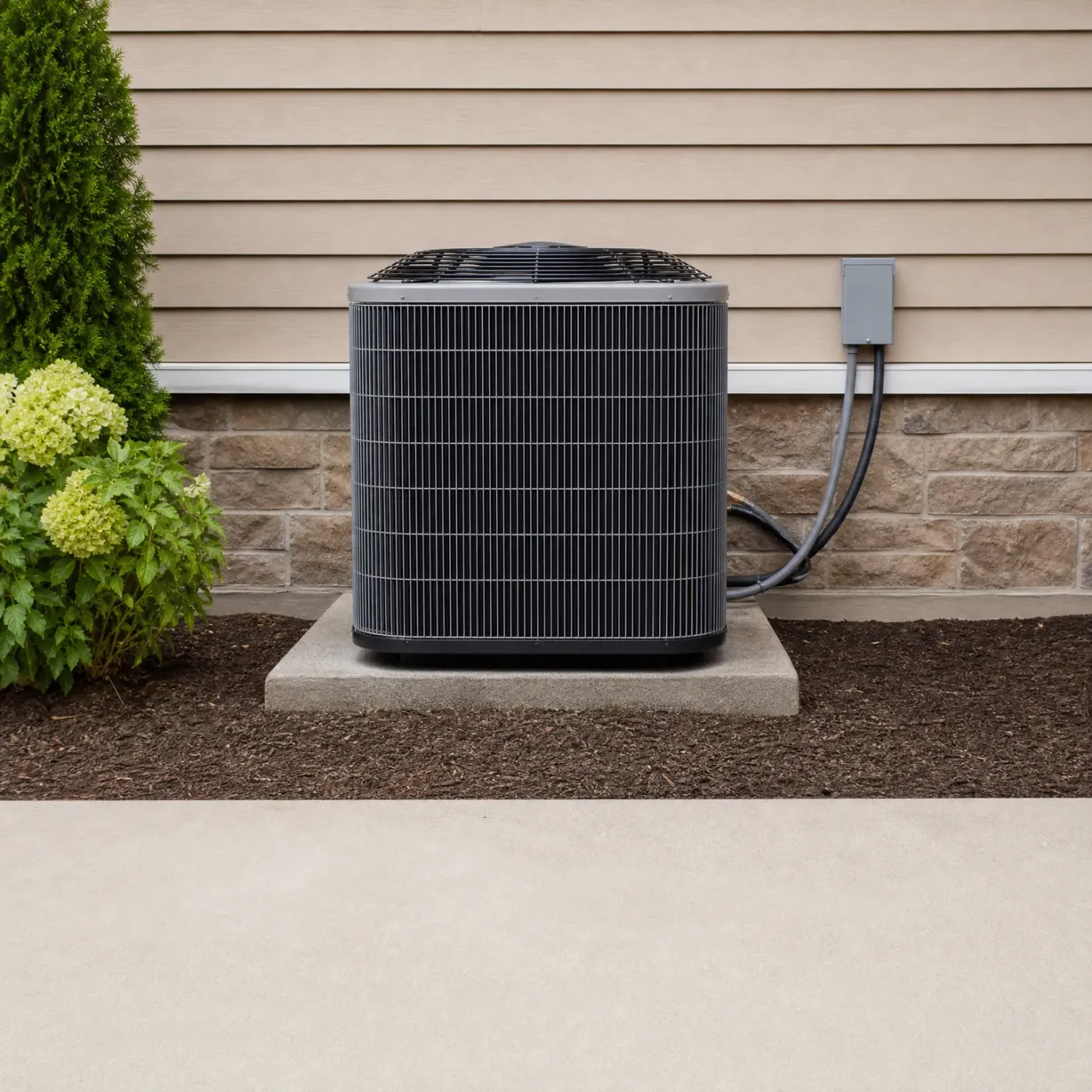
This is a unit keeping up. Air moves through the coil, the compressor cycles and rests, and the house holds its temperature on a 90-degree afternoon. Nothing about it demands attention, which is the point.
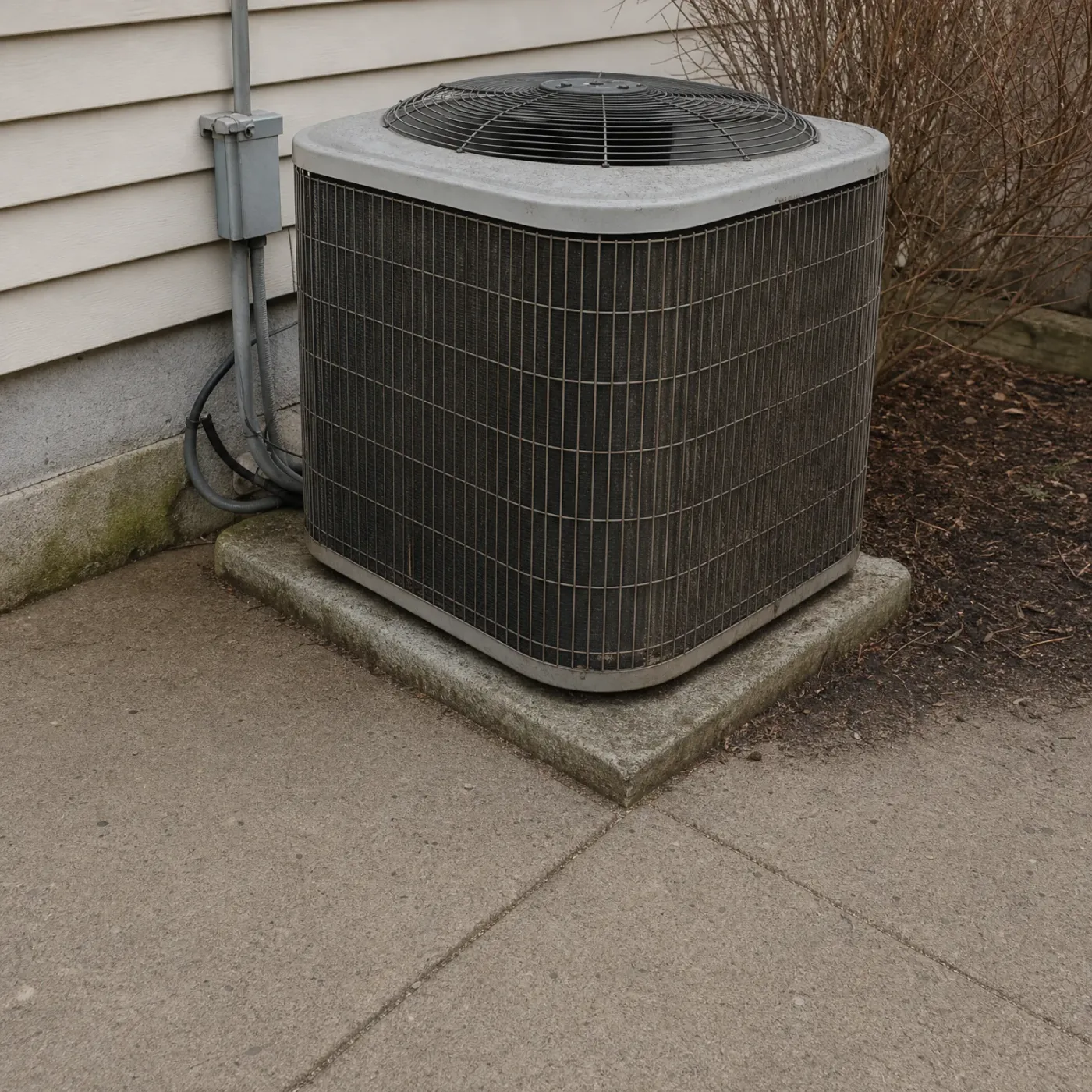
Same unit, same pad, but it's working without a break and the house still isn't cool. That's a sign something inside, a weak capacitor, a low charge, a coil caked with grit, is keeping it from finishing the job. A local contractor who services this equipment all summer can tell you which one from a look at it, and get it back to running the way the first picture shows.


You don't have to spend a hot afternoon calling around to figure out who can look at this. Finding someone who works on air conditioners in Minnesota, explaining the same thing twice, then sitting with two or three quotes to compare, that's the part this handles. One request goes to one licensed contractor near you, someone who sees this exact problem every July and August: coils caked with cottonwood fluff, a slow refrigerant leak from a winter of sitting idle, a capacitor that's been weakening for a season or two. You're not fielding calls from five companies trying to win the job. You're waiting on one, from someone who already knows what a string of 90-degree days does to a system like yours and what to check first. That's worth more than another afternoon of searching while the house sits warm.
You can keep swapping filters, shutting blinds, and running fans upstairs to help the unit along. Some of that helps a little. But if the coil is dirty or the charge is low, no amount of closing curtains fixes what's wrong inside the unit, and you're still checking the thermostat every hour on the worst afternoons of the year, wondering why the house won't cool down.
A local contractor who works on air conditioners all summer in Minnesota has seen this same complaint on plenty of other hot-day calls. They know what usually gives out first and can check it directly instead of guessing. You explain the problem once, to one person, and find out what's actually wrong instead of managing around it for the rest of the season.
At 15.83 cents per kilowatt-hour, every extra hour your AC runs chasing a 90-degree day shows up on the bill. A unit that's low on refrigerant or clogged with dirt runs longer to do less cooling, so you're paying more for a warmer house upstairs.
EIA-861 2025 statewide residential average

A string of hot days in Minnesota doesn't create a new problem. It just makes an existing one impossible to ignore. A dirty coil or a low charge might get through a mild July without much notice. Three or four 90-degree days in a row, back to back with no break overnight, and the same unit falls behind for good. That's the whole answer: the heat didn't break your AC, it found the part that was already weak.
Once you know that, the rest is finding someone who can get to the actual part, not someone guessing over the phone. Rather than calling around to different companies, explaining the same symptoms more than once, and weighing quotes against each other while the house stays warm upstairs, you're matched with one licensed contractor working in Minnesota who deals with this same strain on these units every summer. They know what a hot stretch tends to expose, and they go straight at it.






Only one pro gets your request, so you hear from one company.
Sending the form costs nothing.