

Keep running it
Each cycle runs more current through whatever's already overheating. A winding or bearing that's starting to fail gets worse, not better, the longer it keeps turning.
A burning smell coming from the vents or the outdoor unit is one of the few AC problems that should stop you from waiting it out. You want to know if this is something to shut off right now or something that can hold until a tech looks at it. With the house relying on that unit to keep everyone comfortable through a Minnesota summer, you need to know what's actually burning before you decide whether to keep running it.
A burning smell almost always means something electrical is too hot. A failing blower motor, a worn fan motor bearing, or wiring and connections that have loosened and started to arc will all give off that smell before they fail outright. Dust burning off a coil after the unit sat unused smells similar but fades within a few minutes of it running. If the smell keeps up or gets stronger, shut the system off at the thermostat or the breaker and leave it off. Running it longer risks the motor seizing or, in the worst case, an electrical fire. A licensed contractor can find which part is overheating before it does more damage, or any damage that costs more to fix.
A motor winding or belt bearing overheats and starts to burn.
Hot insulation gives off that sharp, acrid smell first.
The smell travels into the ductwork before you notice it.
Airflow pushes it out through the vents into the house.
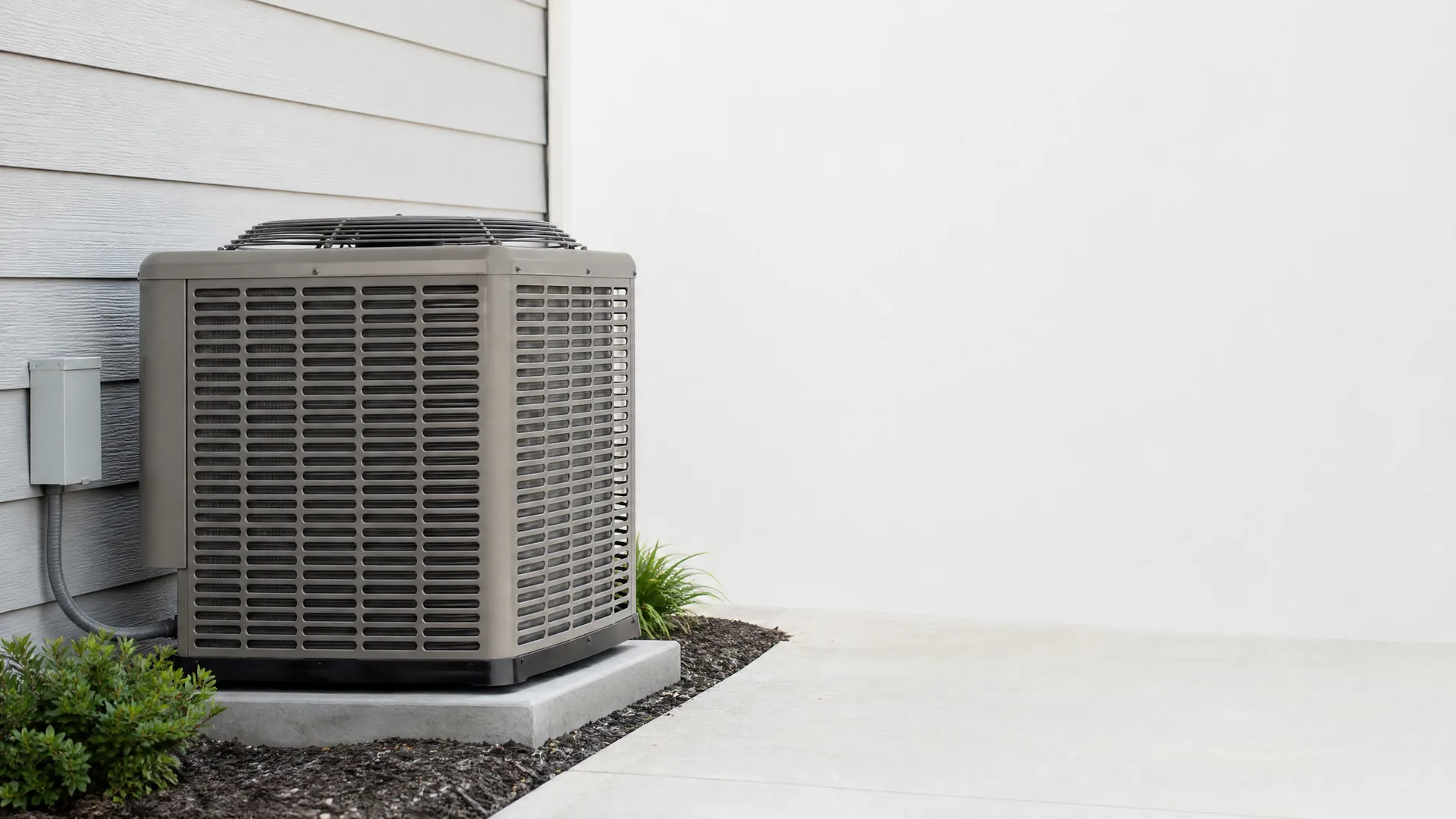
A filter clogged with dust forces the blower to pull harder to move the same air. That strain heats the motor more than it was built to handle, and the extra heat is what you smell. Swapping the filter is the one part of this a homeowner can check without a service call, and in Minnesota, where furnaces and AC often share the same blower, a filter neglected over winter can carry right into summer cooling problems.
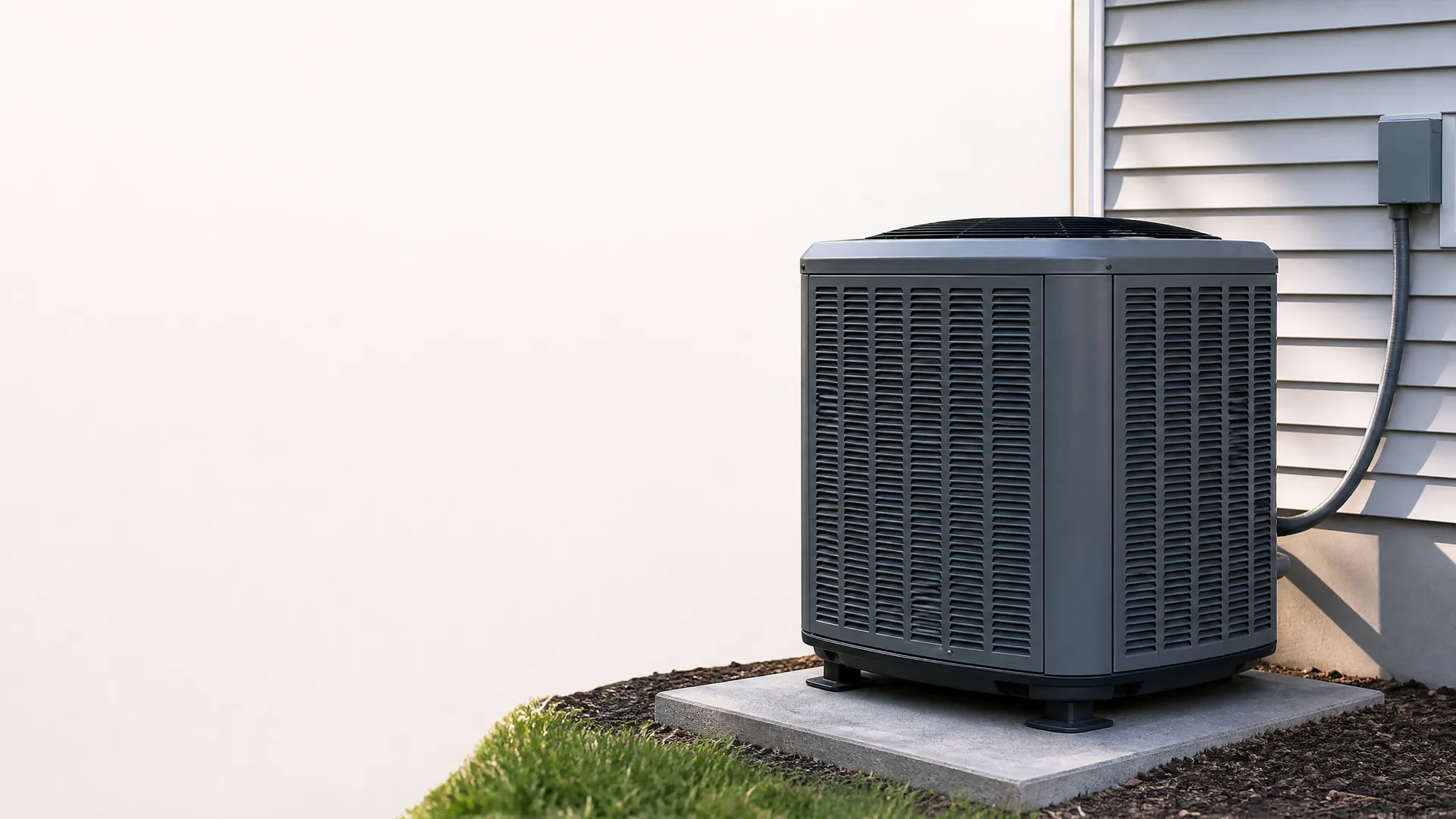
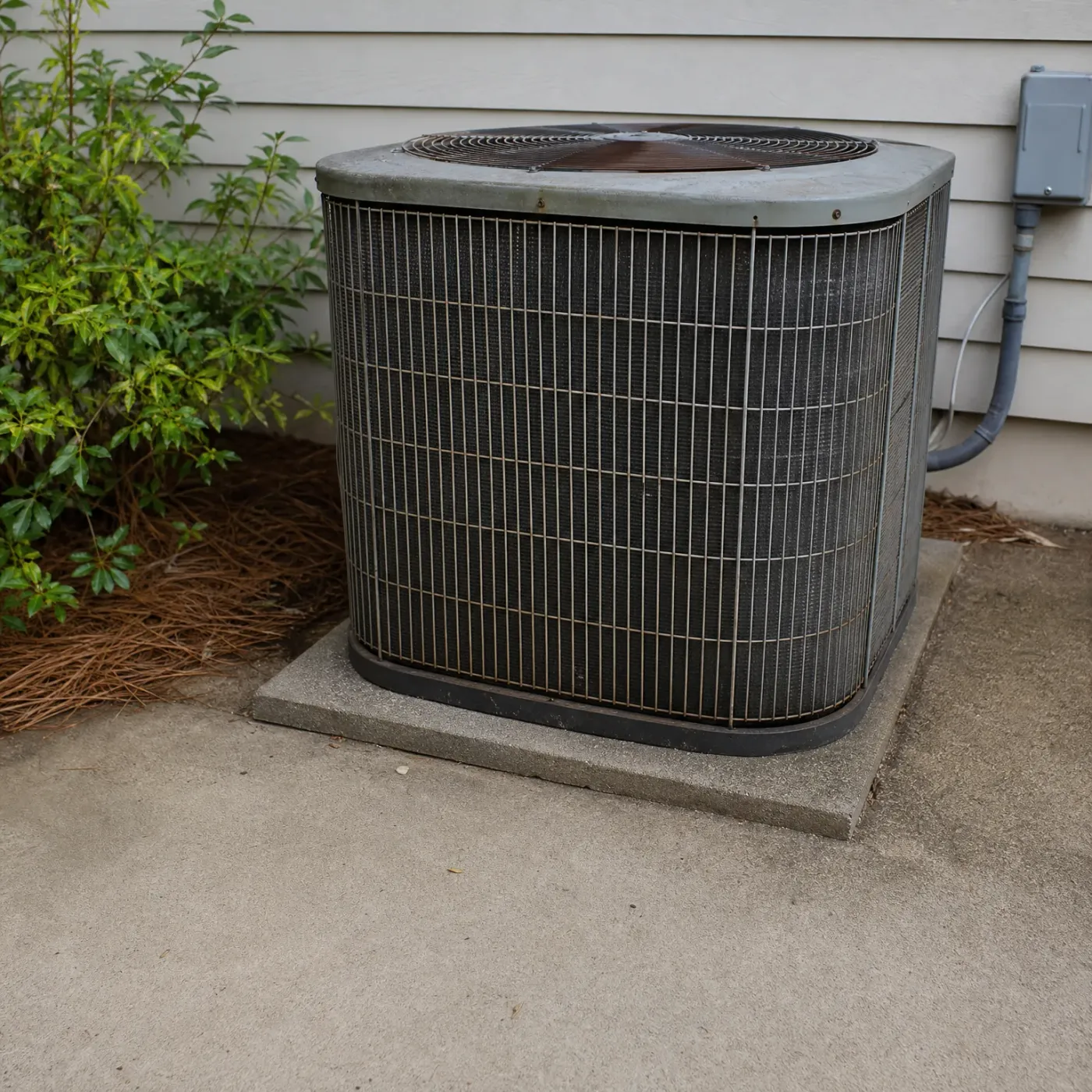
The outdoor unit holds a compressor and a fan motor, both running hard on hot days to move heat out of the house. If a wire has worked loose or a motor bearing is failing, the heat builds right at that spot, and you can sometimes catch the smell standing near the unit before it ever reaches the vents inside. That makes the outdoor unit worth checking first if the smell seems faint indoors but is there at all.

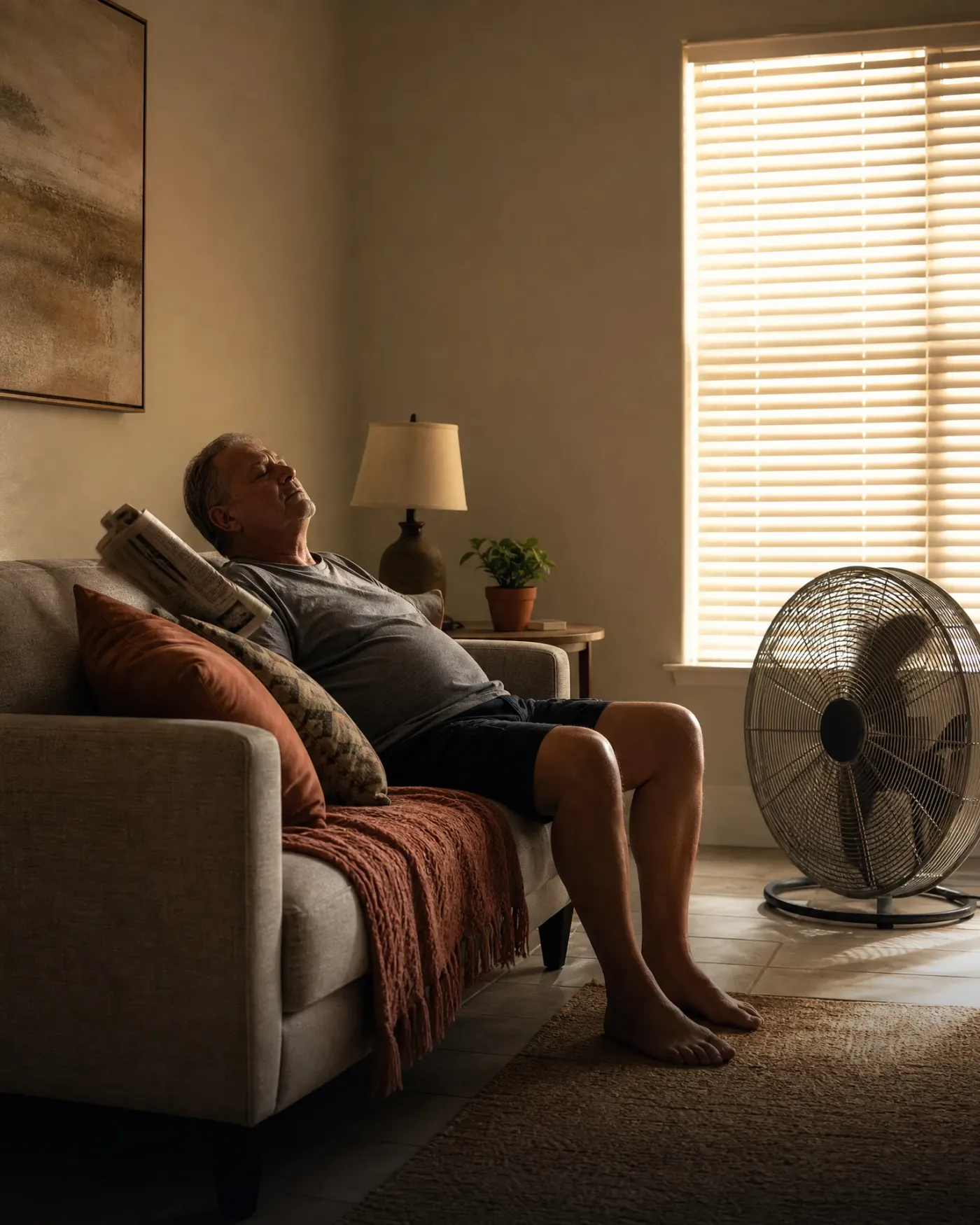
A burning smell during a Minnesota summer usually shows up on the one kind of day you can't afford to lose cooling, when the house is shut up tight and everyone's inside. If the unit trips off or you shut it down yourself, you're without air until it's looked at, and that's harder on a house full of people than an empty one. Kids, older parents, anyone sensitive to heat feels it fast once the air stops moving.
There's also what keeps happening if you don't shut it off. A motor that's overheating doesn't fix itself by running longer, and pushing through it risks turning a repair into a full system replacement. A contractor who works on these systems every summer here has seen which part usually goes first and can tell you fast whether it's a quick fix or something bigger, so you're not guessing while the house sits warm.





Your request stays with one local pro.
Sending the form costs nothing.
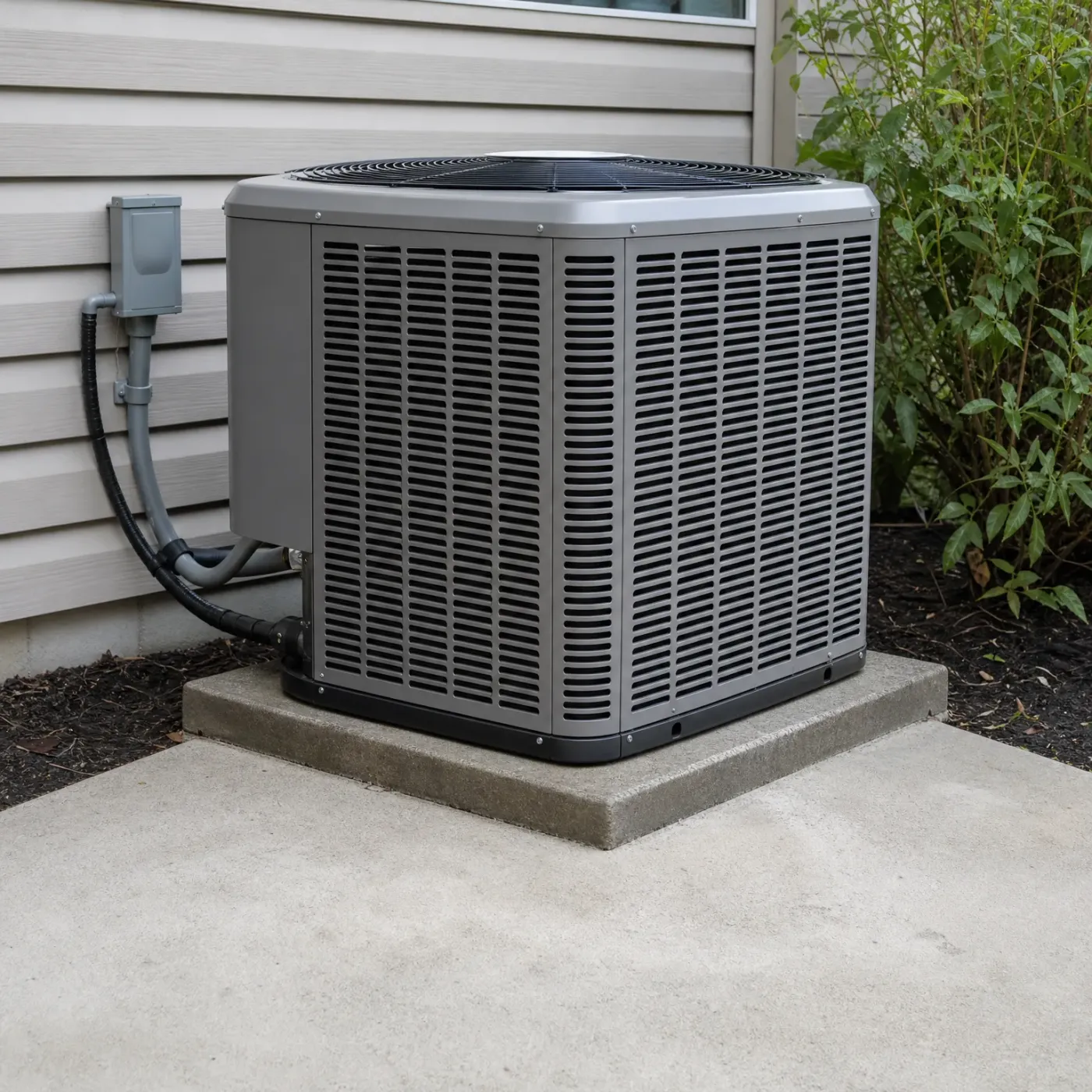
Most burning smells trace back to one of a handful of parts inside the outdoor condenser, and a few of them have a history with Minnesota winters specifically. The run capacitor is the part that gets the compressor and fan motor started and keeps them running smoothly. When it weakens, the motor has to strain to do the same job, and strain turns into heat. If the capacitor fails outright instead, the motor won't start at all, so a smell without a running unit still points there. The condenser fan motor can seize up the same way any motor can, and when it stops spinning, the outdoor coil loses the airflow it needs to dump heat outside. That heat backs up into the cabinet and warms the wiring nearby. The contactor is a simple switch that opens and closes every time the unit cycles on and off, and over seasons the contact points pit from the arcing. Badly pitted contacts run hotter than they should and smell like it. A refrigerant leak doesn't burn anything directly, but it makes the compressor run longer to move the same amount of heat, and a compressor working overtime runs hotter inside its windings. One thing particular to this area: mice and other rodents look for a warm, enclosed place to nest over winter, and the outdoor unit qualifies. Chewed insulation on a wire often doesn't show up as a problem until the unit starts running hard in summer.

A Minnesota summer doesn't carry the heavy air you get farther south. The dew point averages 59°F across June, July and August, measured from where homes sit across the state. That's dry enough that your air conditioner isn't fighting constant moisture the way units do in muggier places. But it still has to work, and when a motor is already straining from a weak capacitor or a clogged filter, dry air outside won't stop the overheating happening inside the cabinet. The burning smell comes from the strain on the parts, not from how heavy the air feels when you walk outside.
NASA POWER T2MDEW county cells weighted by homes
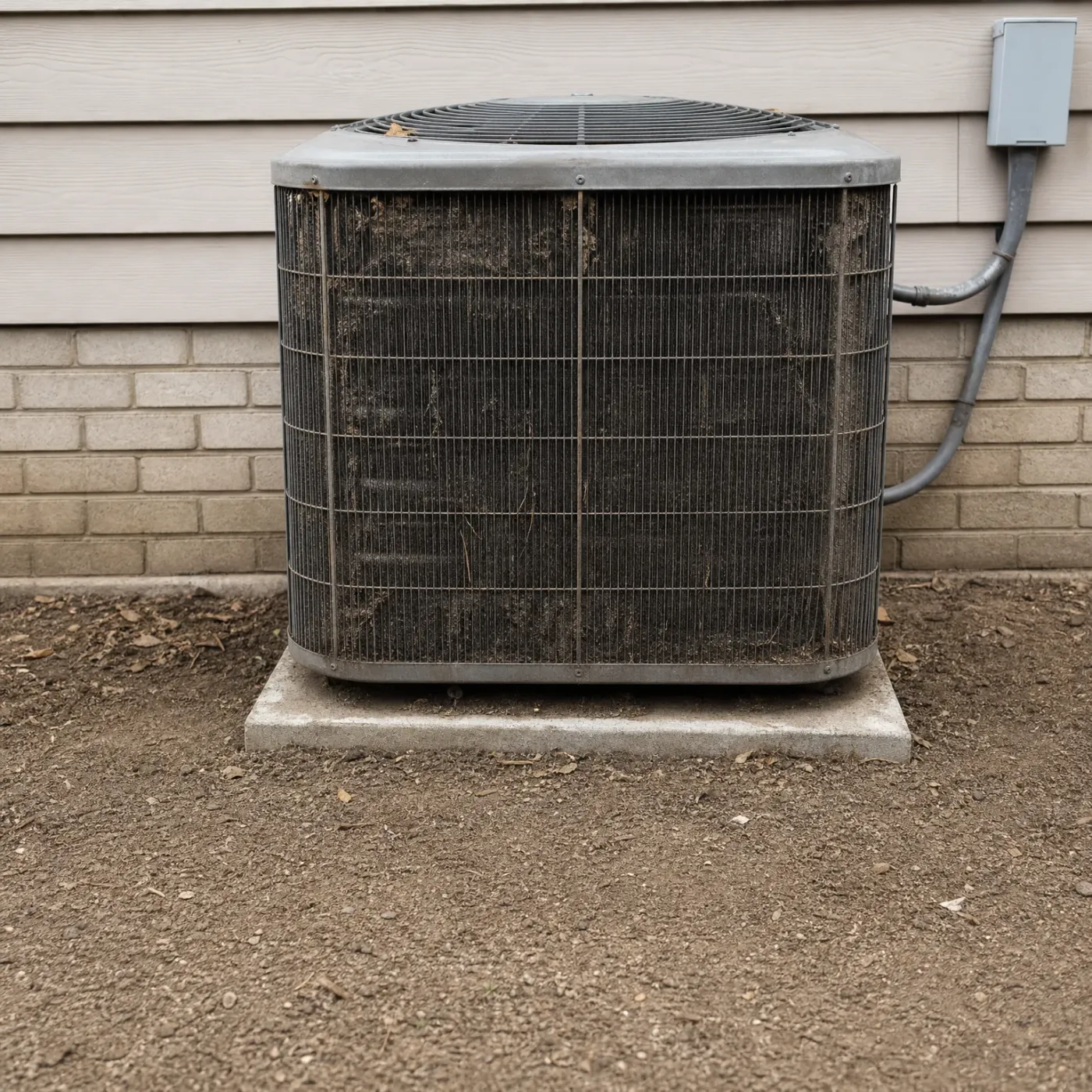
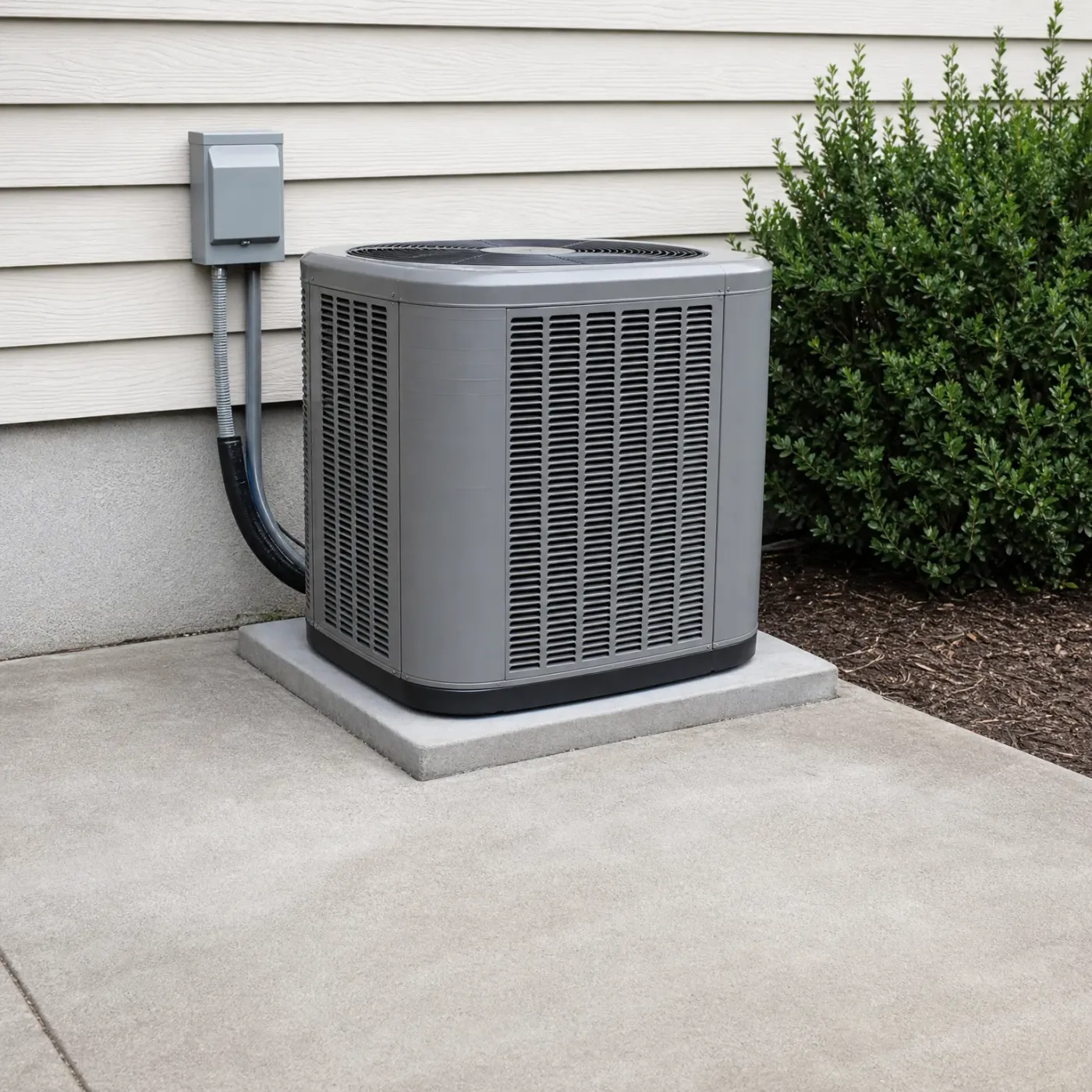
Not every burning smell means the same failure. A worn motor bearing runs dry and heats the metal around it until it starts to smell hot, even with the breaker holding and no smoke in sight. Refrigerant lines sometimes rub against the cabinet or a mounting bracket, and that friction wears through the insulation and scorches the one spot it touches. A run capacitor that's swollen or leaking can't hold the compressor motor steady, so the motor pulls more current than the wiring was sized for. Dust and pet hair packed around the blower motor sit against the windings like a blanket, trapping heat until the coating on the wire starts to burn. A wire nut that's worked loose, or a connection that's backed out over time, will arc under load, and that arcing has its own sharp smell. Outdoors, rodents sometimes get into the unit and chew through wire insulation, and exposed copper heats up fast once it shorts. Each of these looks different once someone opens the unit and traces it back.


Each cycle runs more current through whatever's already overheating. A winding or bearing that's starting to fail gets worse, not better, the longer it keeps turning.
A contractor who works on these systems every summer can find the part that's overheating before it fails outright and leaves you without cooling on a hot day.
At 15.83 cents per kilowatt-hour, a strained motor running hot costs you more every hour it keeps turning that way. A capacitor or bearing that's failing doesn't just risk a burnout, it pulls extra current the whole time, and that shows up on your bill before it shows up as a repair.
EIA-861 2025 statewide residential average
A burning smell from your AC is a sign to act, not wait out. Whether it's a worn bearing, a weak capacitor, or a grille packed with debris, the fix is the same: someone needs to look at the unit before it runs again. A contractor who services air conditioners all summer in Minnesota has likely seen this exact smell on a call before yours, and knows which part tends to be the cause before the panel's even off. You'll get matched with one licensed local contractor, not a handful of companies competing for your callback, so the person who reaches out is the one who's actually coming to your house. That keeps things simple on a day when the house is already too warm to deal with much else. The smell told you something was wrong. Getting it checked tells you what and keeps it from turning into a bigger repair or a unit that won't run at all.





The pro who reaches out is licensed in Minnesota.
It costs nothing to send, and you don't have to hire anyone.