

Why your upstairs stays hot in Minnesota summers
Send the request today and stop worrying about who to call.
Hand it offWhy does my upstairs stay hot in the summer?
Your downstairs cools down fine, but the upstairs bedrooms stay warm no matter how low you set the thermostat. In a Minnesota summer that isn't brutal heat, so it's confusing when a single system seems to lose the fight just climbing the stairs. Something specific is keeping the cold air from making it up there.
Your system isn't pushing enough cold air up to the second floor
Heat rises and settles upstairs, and the air your system sends up there has to fight that on its way in. If the ductwork feeding the second floor is undersized, a return isn't pulling air the way it should, or the system is low on refrigerant, the upstairs ends up last in line and shortest on supply. One thermostat downstairs can't see what's happening two floors up, so it calls the system off before the upstairs ever caught up. In a Minnesota summer the air isn't heavy the way it is further south, but the heat still collects where the ductwork struggles most, and that's usually overhead.
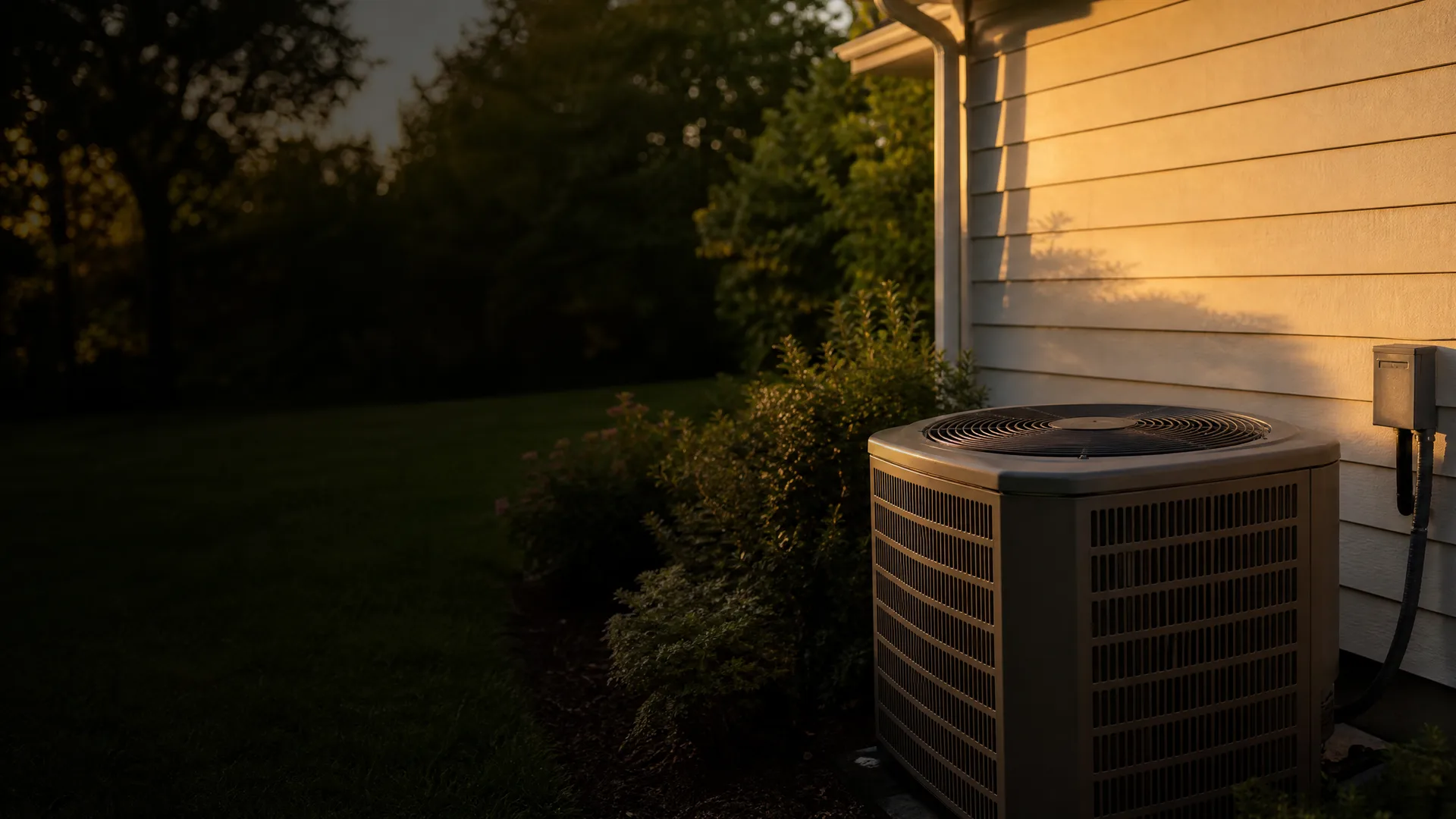
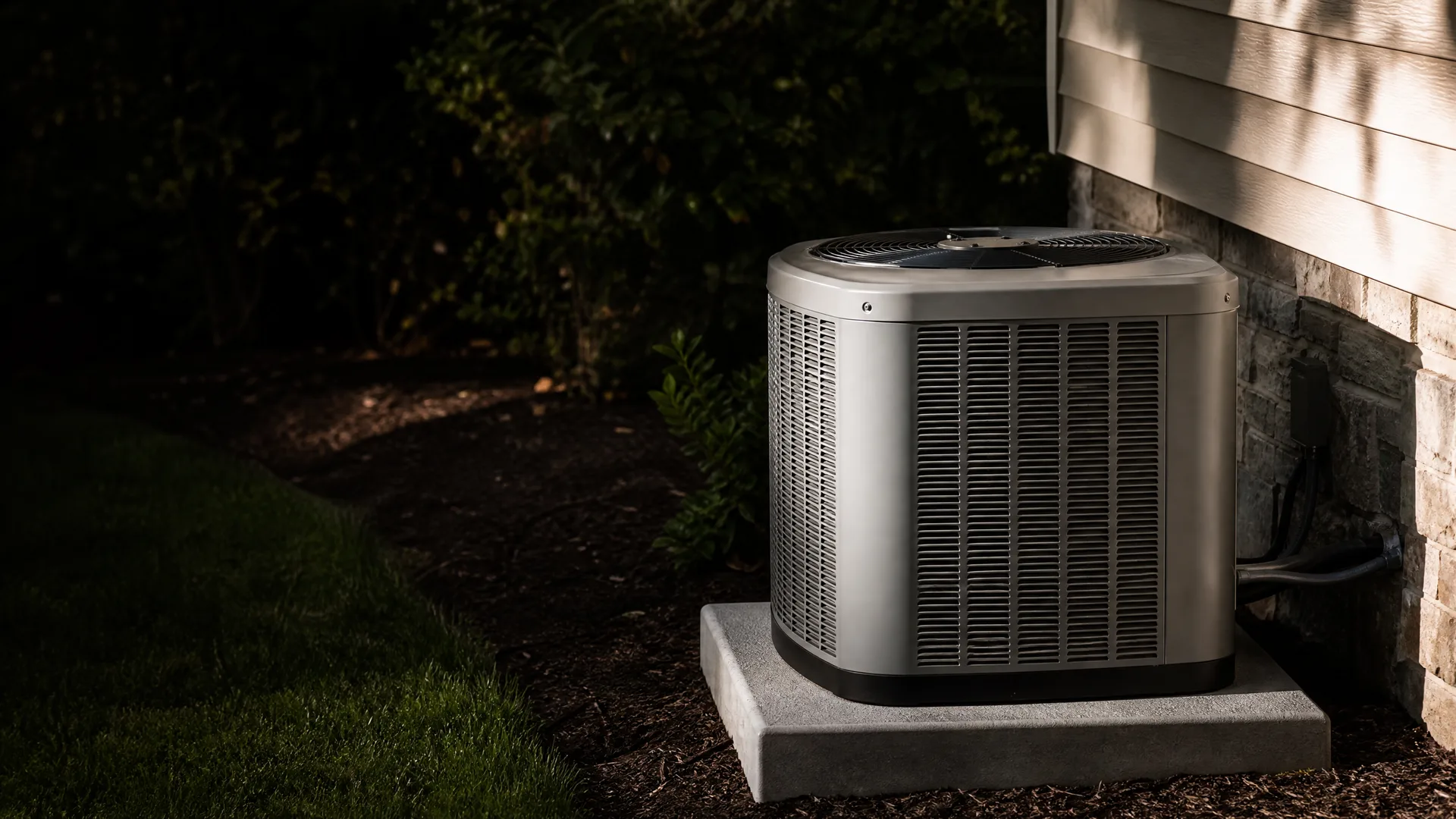
You're out in the backyard around seven, grass still warm underfoot, the light going gold over the fence line. You walk past the condenser on your way to coil up the hose and notice it's quiet. Not just quiet, still. The fan behind the grille isn't spinning, and the unit's just sitting there humming low, not doing the work it should be doing on a night like this. You crouch down and feel no air coming off the top. Inside, you know the thermostat's set where it always is, and upstairs those bedrooms are holding onto the day's heat with nothing pulling it out. You stand there a second, hand still on the hose, working out whether this is the kind of thing you can wait on or not.
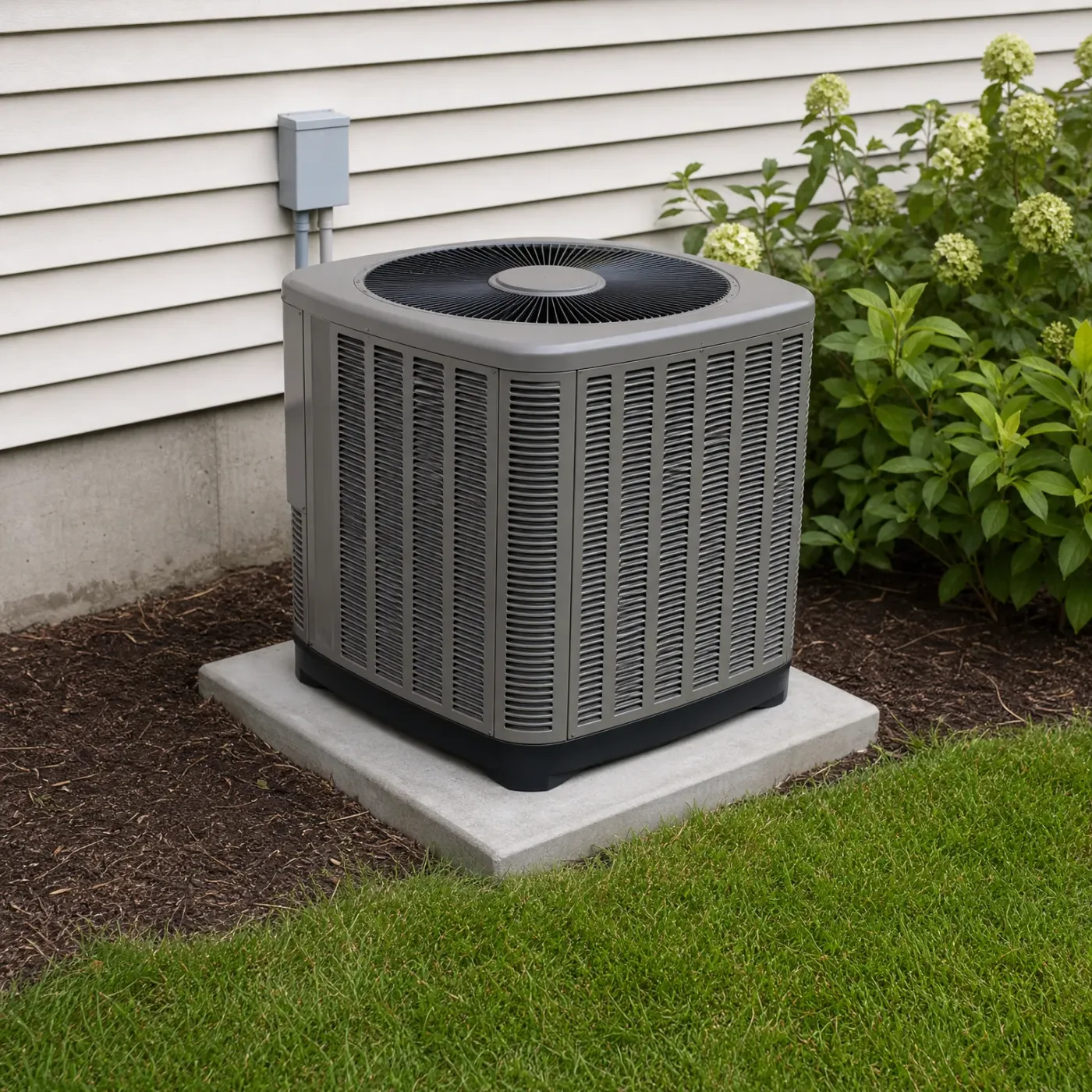
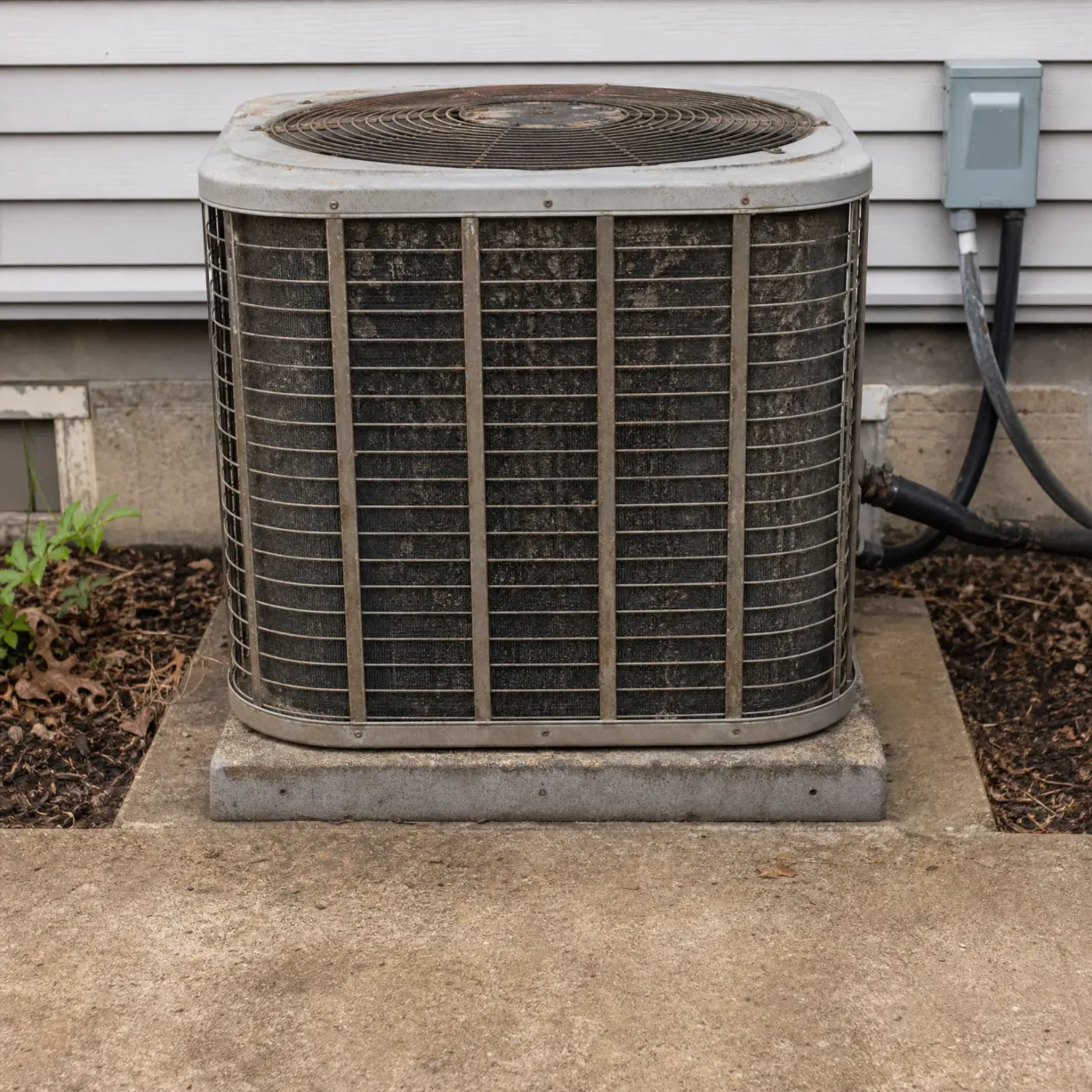




Duct Problem or Equipment Problem
Ductwork problem
- If the upstairs has always run warmer, even in a mild stretch, the branch feeding those rooms may be undersized or kinked somewhere in the attic.
- A duct run that's too long or has too many turns loses airflow before it reaches the far bedrooms, no matter what the thermostat says.
- Leaky joints in the attic ductwork let cold air escape before it reaches the register, and the loss is worse the farther the run.
- A single return low in the house can't pull warm air off the second floor fast enough to balance what the supply vents push out.
- This kind of imbalance shows up every summer the same way, not just on the hottest days.
Equipment problem
- If the upstairs only falls behind once it's been hot for a few days straight, the system itself may be struggling to keep up.
- A condenser that's low on refrigerant cools less air per cycle, and the rooms farthest from the air handler feel it first.
- A failing blower motor moves less air through the whole house, but upstairs rooms at the end of the duct run lose out before downstairs does.
- A thermostat that's only reading the temperature where it hangs, usually downstairs, will shut the system off before the upstairs ever catches up.
- A licensed contractor who works on Minnesota systems every summer can tell from a gauge reading or an airflow check which one it is.
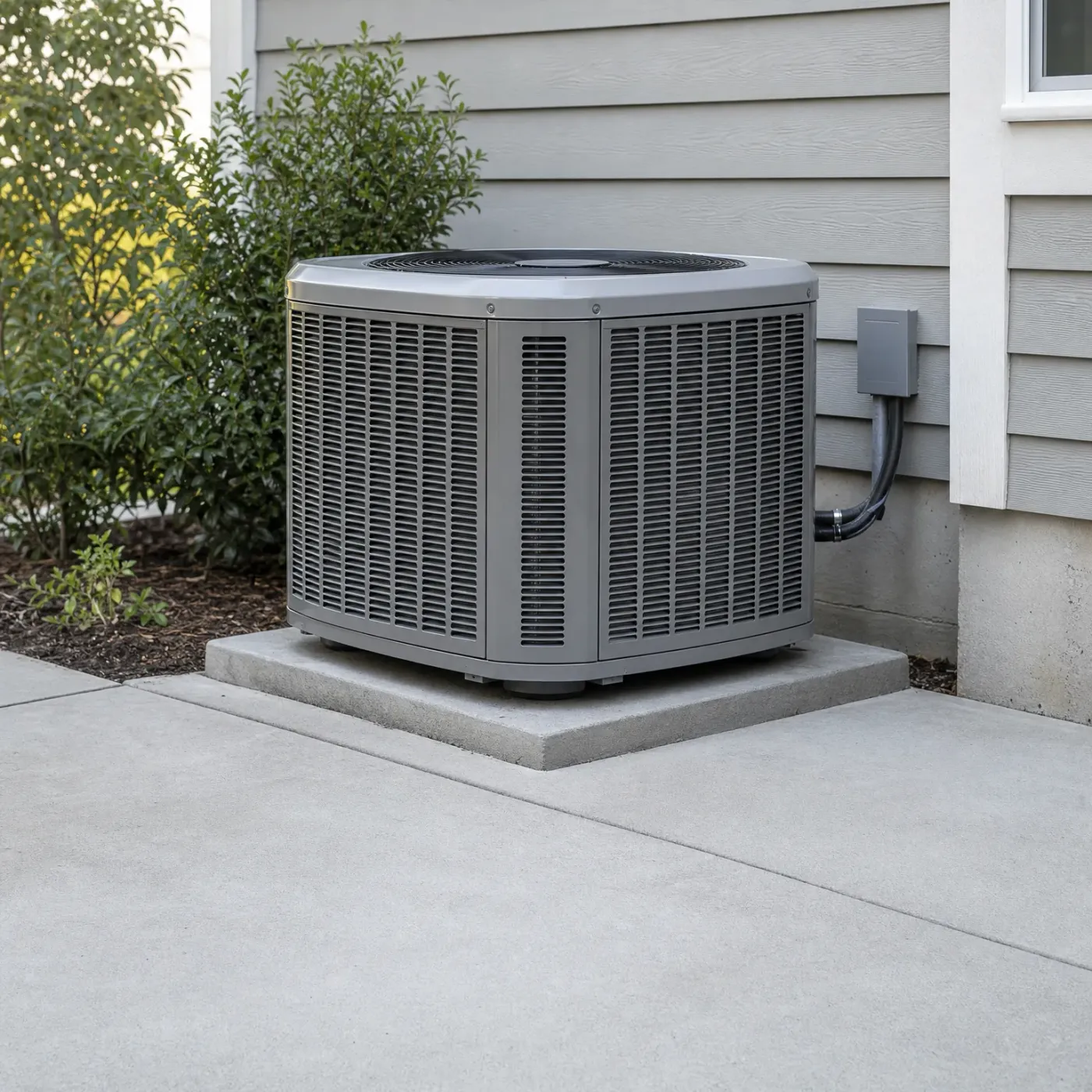
Hand off the air conditioner problem
An upstairs that won't cool is rarely one simple thing. It could be a return duct that's choking airflow, a refrigerant charge that's dropped, or a condenser fan that's stopped pulling its weight. Sorting that out means someone who's actually seen it before, not a guess over the phone. A local contractor who works on air conditioners all summer in Minnesota has run into this same complaint plenty of times, upstairs rooms baking while the downstairs thermostat reads just fine, and knows where to look first. Sending the request connects you with one contractor, not a handful competing for your callback, so you're not fielding five calls to get one answer. Once it's sent, you're done chasing this down. The next hot afternoon doesn't have to mean another night with a fan pointed at the bed, waiting for the upstairs to catch up with the rest of the house.
How one system splits unevenly
- A single central air system has one blower moving air through the whole duct system, upstairs and down.
- Warm air rises on its own, so the upstairs is already fighting physics before the system does anything.
- The thermostat usually sits downstairs, so it reads that room as satisfied long before the upstairs catches up.
- Supply registers upstairs rely on steady duct pressure, and any leak or restriction along the way shows up there first.
- A return duct that's too small for the upstairs rooms limits how much air the blower can actually pull back and recondition.
- Attic duct runs sit in the hottest part of the house, so any gap in the insulation around them adds heat back into the air before it reaches the room.
A central air system wasn't built to treat every room the same. There's one blower, one set of ducts, and the air takes the path of least resistance. Downstairs rooms tend to sit closer to the furnace and the main trunk line, so they get first pull on the cold air. By the time it reaches the upstairs branches, it's traveled further and lost some of its pressure along the way. Warm air rising from downstairs adds to the load the upstairs already carries, since heat naturally settles in the highest part of the house regardless of what the thermostat says. And that thermostat is usually mounted on the main floor, which means the system shuts off once it reads comfortable there, even if the rooms above haven't caught up yet. The return duct matters just as much as the supply side. If it's undersized for the square footage upstairs, the blower can only pull back so much air to cool and send out again, no matter how hard it runs. Add in an attic run with a gap in the insulation, and the air moving through that duct picks up heat before it ever reaches the register. None of this means the system is failing. It means the upstairs is working against gravity, duct length, and thermostat placement all at once, and a technician checking static pressure and airflow at the registers can tell you which of those is doing the most damage in your house.
Power costs 15.83 cents per kilowatt-hour statewide
At that rate, a struggling upstairs system costs you more than a warm room. Running the fan longer, or a second window unit to make up the difference, adds up fast at over 15 cents a kilowatt-hour. Fixing what's actually wrong upstairs costs less than paying to fight it all summer.
EIA-861 2025 statewide residential average
A central air system is sized for the whole house, usually around 400 cubic feet of air per minute for each ton of capacity. Split that between two floors and the upstairs rooms are often getting less than their share.
That's why a system that sounds fine and keeps the downstairs comfortable can still leave the upstairs bedrooms warm. The air moving through those ducts was never enough to begin with, and anything blocking or slowing it makes it worse.


Minnesota summers don't feel heavy the way they do further south, and the numbers back that up. Averaged over June, July and August, the dew point here runs 59°F, based on weather data for where Minnesota homes sit. That's dry enough that your air conditioner isn't fighting moisture the way it would in a sticky climate. Which means when your upstairs stays hot, humidity probably isn't the reason. The dry air should make cooling easier for the whole system. If the top floor still won't come down to temperature, something mechanical upstairs, in the ducts, or at the condenser is holding it back, not the air outside.
NASA POWER T2MDEW county cells weighted by homes
An upstairs that stays hot isn't something you fix by setting the thermostat lower. It's airflow that's not reaching those rooms, a refrigerant charge that's low, or a condenser fan that's given out, and each one takes someone who can actually trace it back to the cause instead of guessing. That's the kind of work a local contractor who services this equipment all summer does without much drama, because they've seen the same undersized branch duct or weak fan a hundred times on houses like yours. Send the request and you're matched with one contractor local to you, not a handful of companies competing for your callback. Someone who knows Minnesota attics, knows what a single-blower system can and can't do between two floors, and knows what usually turns out to be the problem when the downstairs is fine and the upstairs isn't. Once that's in someone else's hands, it stops being something you have to figure out on your own.
Send one request and you're done looking